


Castilla-La Mancha
Castilla-La Mancha
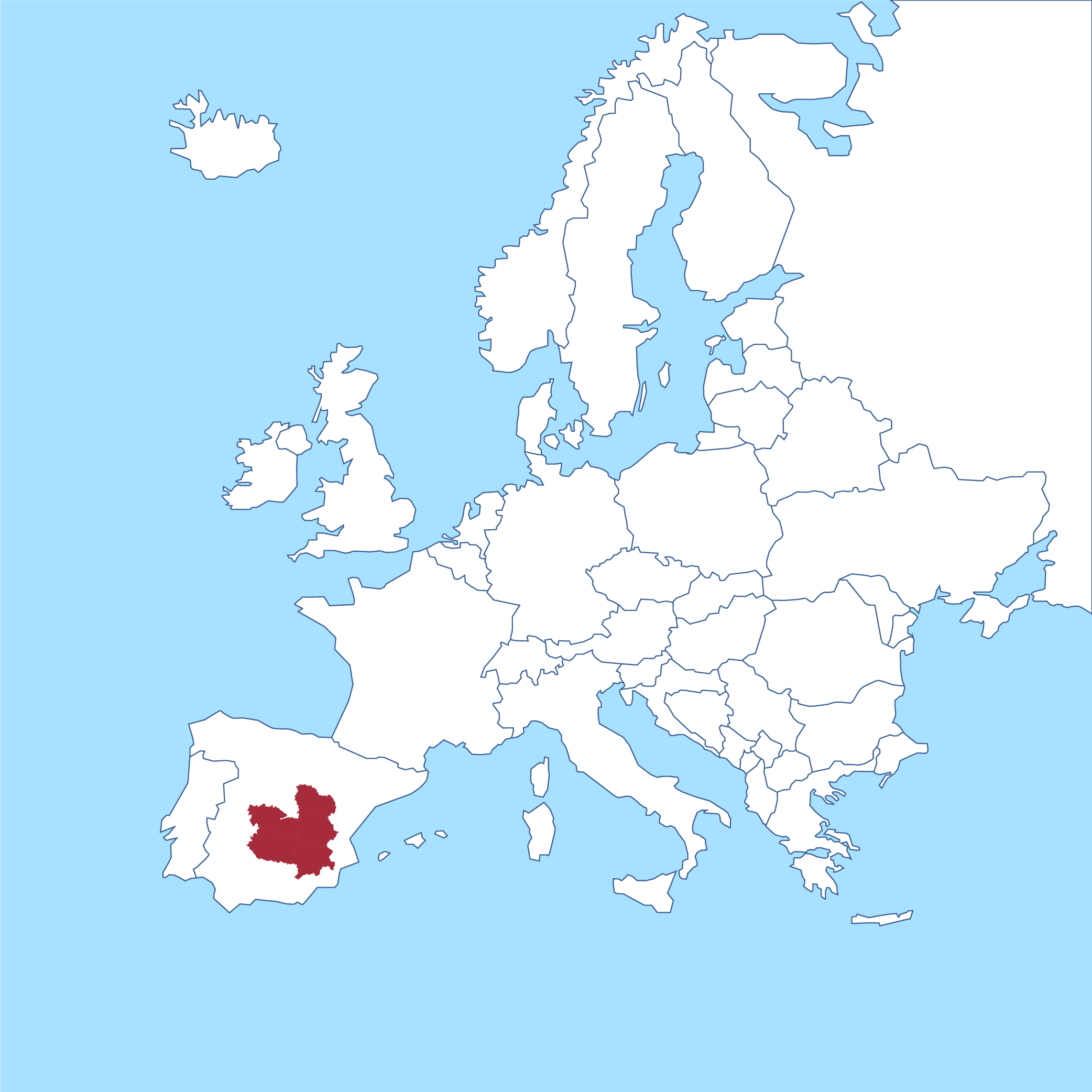
Castilla-La Mancha is one of the largest region in Spain. It is located in the central Iberian Peninsula, between Madrid, the country’s capital, and the regions of Andalusia (to the south) and Valencia and Murcia (Mediterranean coastal regions).
Due to its strategic position, its excellent connections, and the quantity and quality of its tourism resources and services, this is a popular region for Spaniards and travellers from around the world when visiting inland Spain.
The region’s provincial capitals are all connected by high-speed train, there is an extensive network of motorways and dual carriageways, and the nearest airport is Madrid-Barajas Adolfo Suárez, just one hour from the regional capital: Toledo.
Don Quixote and Pedro Almodóvar have put the Castilla-La Mancha region on the map internationally. Its landscapes and famous windmills inspired Cervantes, Spanish literature’s most famous writer, as well as Spain’s most successful filmmaker.
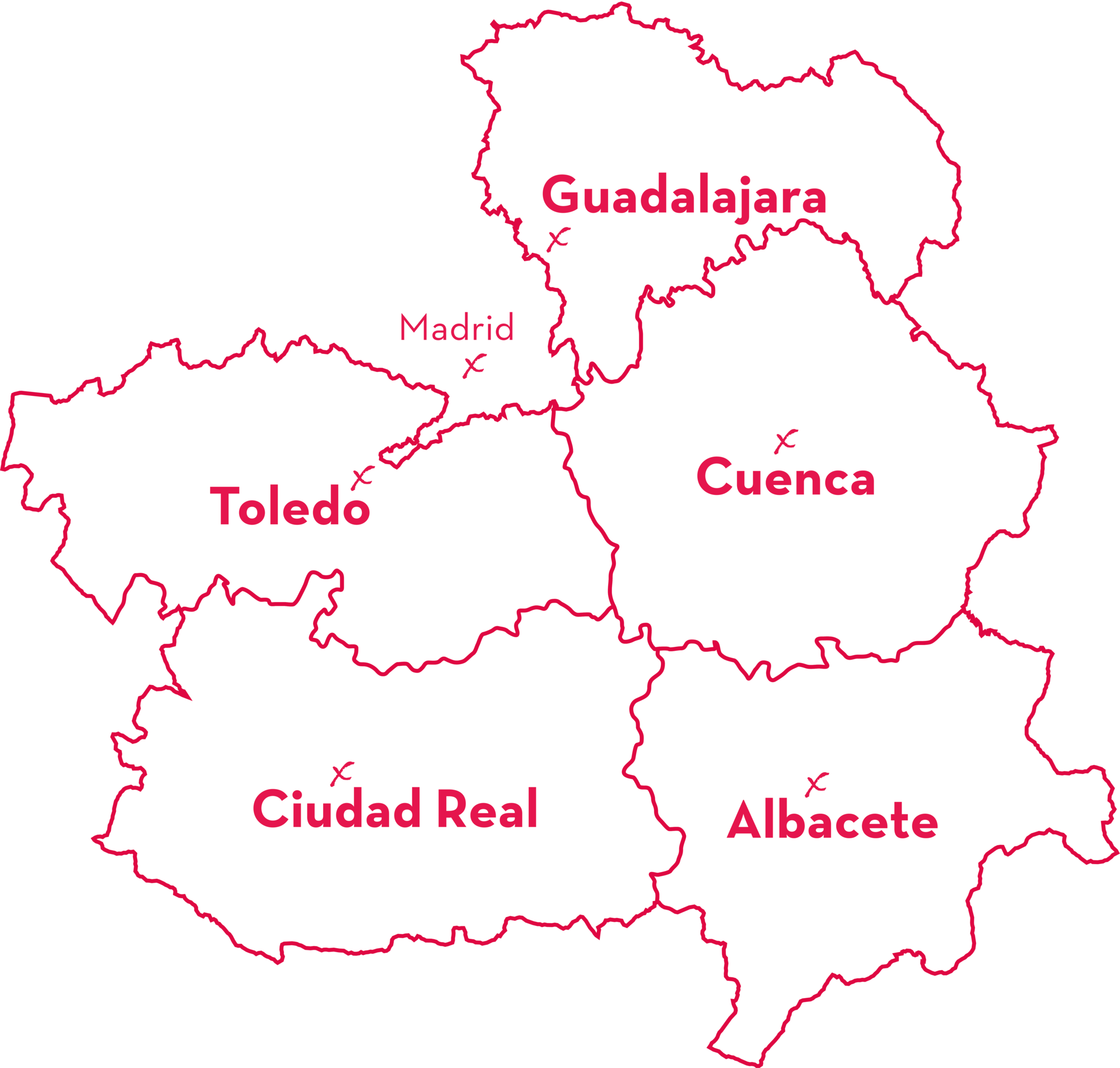
Castilla-La Mancha is made up of five provinces: Albacete, Ciudad Real, Cuenca, Guadalajara and Toledo.
CASTILLA-LA MANCHA WEEK IN THE SPAIN PAVILION AT EXPO OSAKA 2025
The Spanish Pavilion at EXPO OSAKA 2025 will enthusiastically celebrate a week dedicated to the Castilla-La Mancha region from 6 to 11 May.
Castilla-La Mancha will therefore offer visitors to the Spain Pavilion a carefully crafted sample of the region’s highlights: its gastronomy, its traditional folklore, its internationally renowned craftsmanship, and the live presence of Don Quixote of La Mancha himself and his faithful and inseparable companion, Sancho Panza.
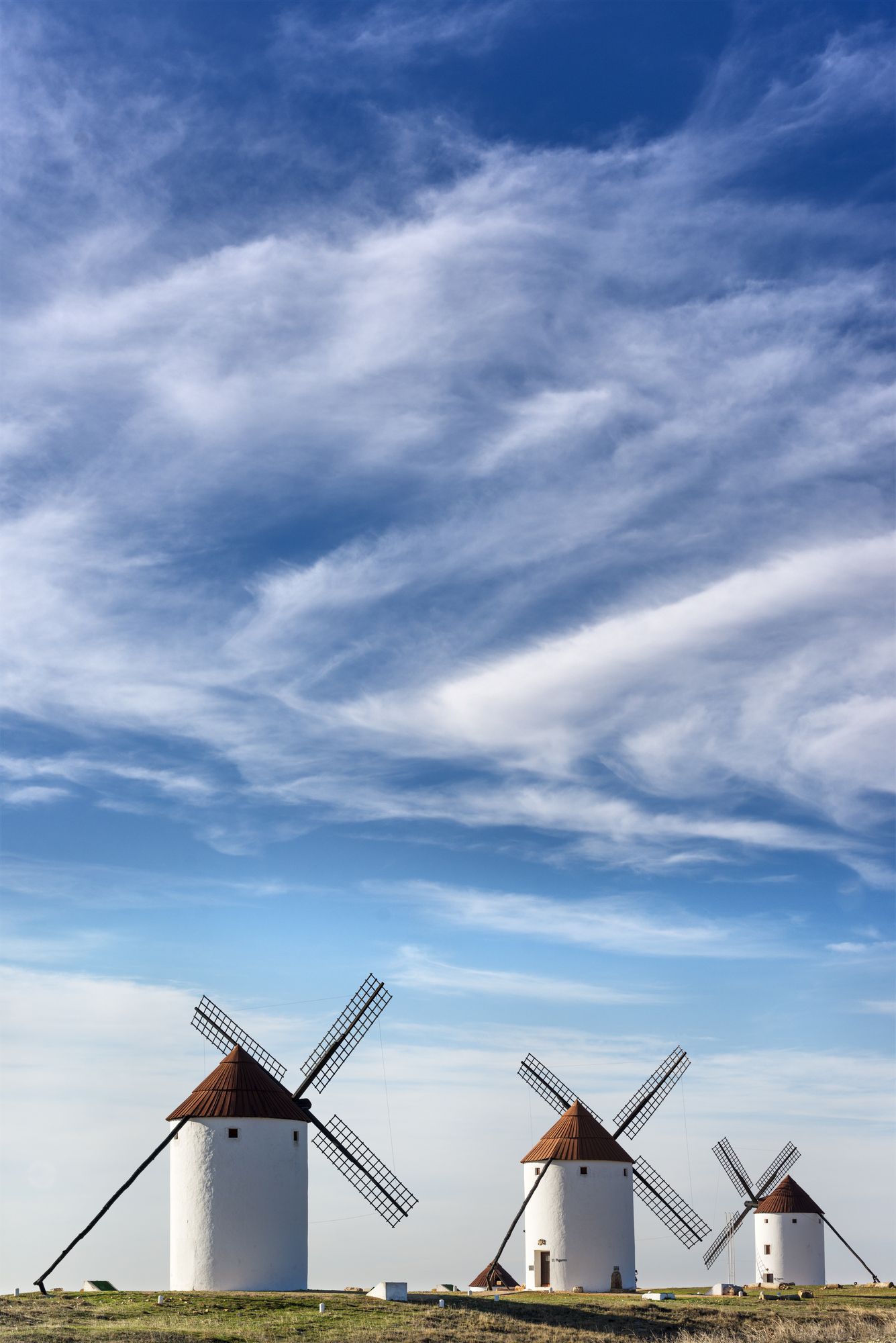
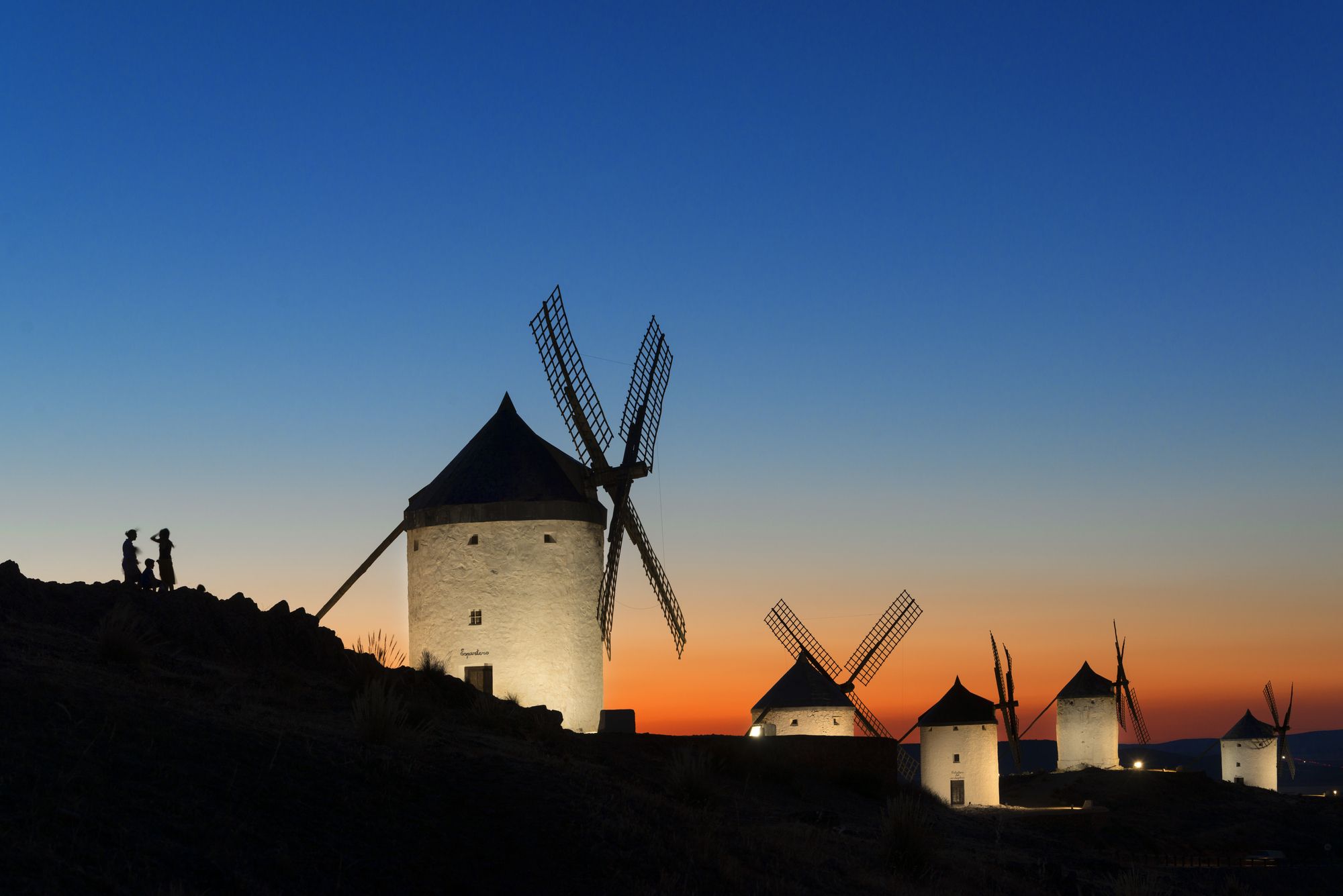
Windmills of Mota del Cuervo
CERVANTES, DON QUIXOTE AND SANCHO PANZHA, CASTILLA-LA MANCHA ICONS
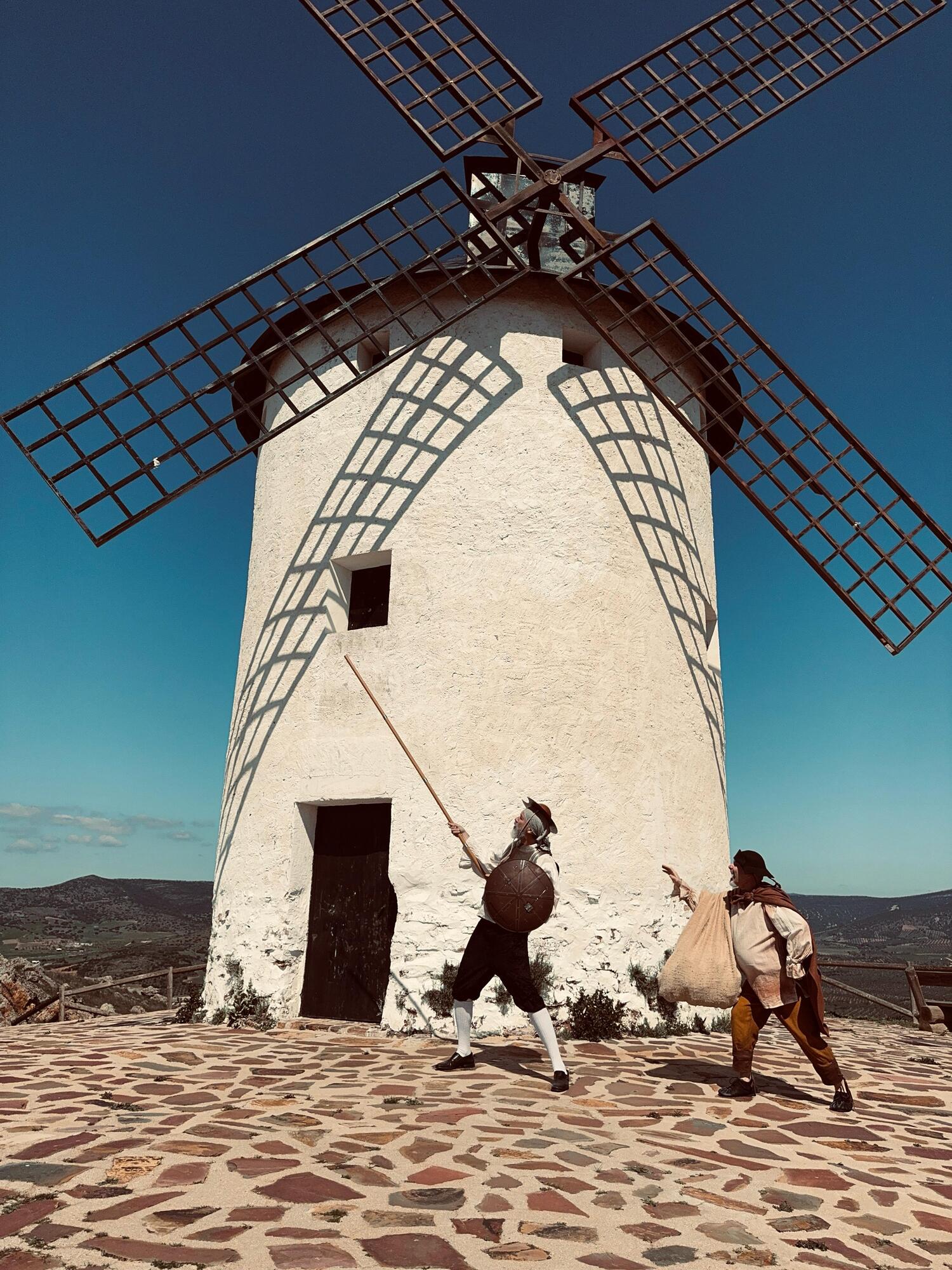
Theatrical representation of Don Quixote and Sancho in the windmills of La Mancha.
Throughout his eventful and adventurous life, Miguel de Cervantes was closely linked to the lands of Castilla-La Mancha:
In Esquivias (Toledo) he married Catalina de Salazar y Palacios, and his Casa de Cervantes home can today be visited in the town.
The couple also had a house in Toledo. There, the writer dealt with merchants, knights, soldiers, clergymen and wandering rogues. He carefully noted all his experiences with them, and drew inspiration for his works. In fact, according to Cervantes himself, it was in Toledo, and specifically in the “alcaná” district (the merchants’ quarter, which today is home to the cathedral cloister), where he found some archives that inspired the Don Quixote character.
Popular tradition tells that, while he was imprisoned in Argamasilla de Alba, in the Cueva de Medrano (a cave that can be visited today), he began to write Don Quixote.
In El Toboso, you can visit the Dulcinea Home-Museum, and the Cervantes museum, featuring Don Quixote works translated into every language and signed by some important figures.
Other towns are home to windmills, open for visits, and some originally date back to Cervantes’ time: Campo de Criptana, Alcázar de San Juan, Herencia, Mota del Cuervo and Consuegra.
Cervantes chose not to reveal which was the “place in La Mancha” where Don Quixote lived… so nowadays many towns and cities vie for this accolade. His spirit can, however, certainly be felt throughout Castilla-La Mancha.
Don Quixote of La Mancha is a universal hero and a Spanish icon. A literary figure who crossed borders centuries ago to become the property not only of Spain and Spanish-language literature, but also of the collective imagination for visitors to Spain who explore his wonderful legacy.
The dreamy and romantic nature of Don Quixote, full of courage and bravery, travel with you on a visit to the Spanish Pavilion at EXPO OSAKA 2025 during Castilla-La Mancha week. Don’t leave without your photo alongside Don Quixote and Sancho Panza!
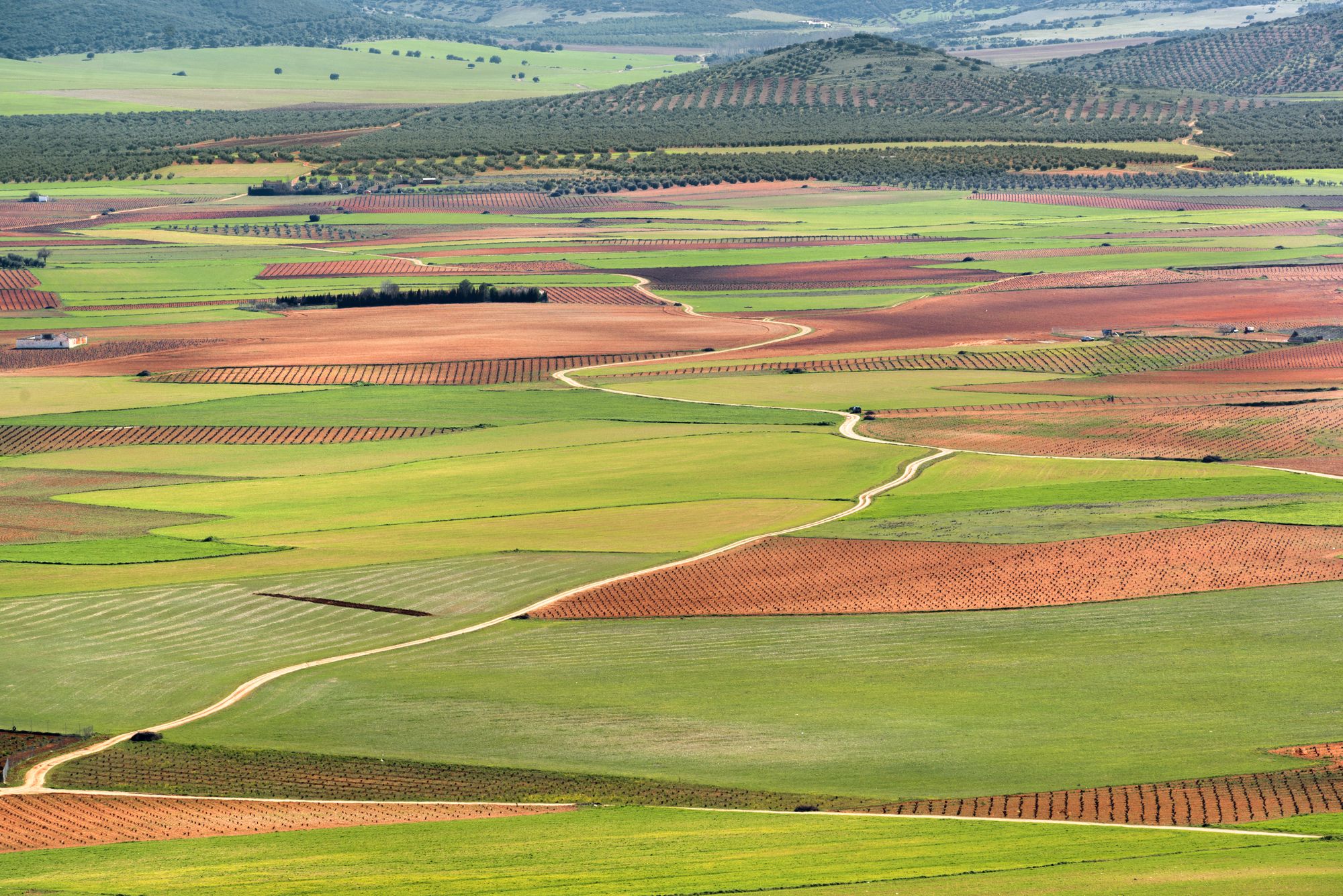
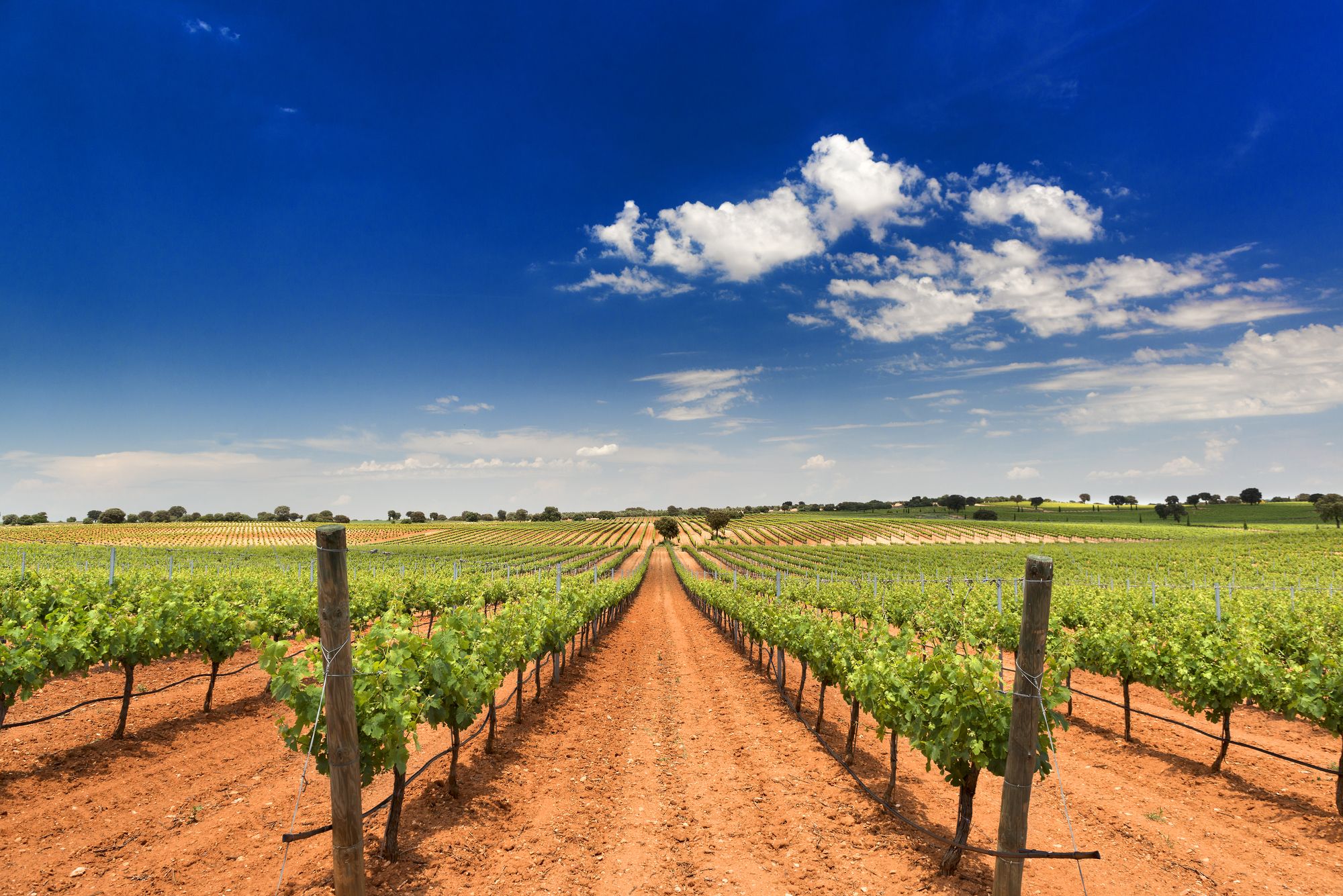
Cultivated fields in Castilla-La Mancha.
Windmills of Consuegra (Toledo).
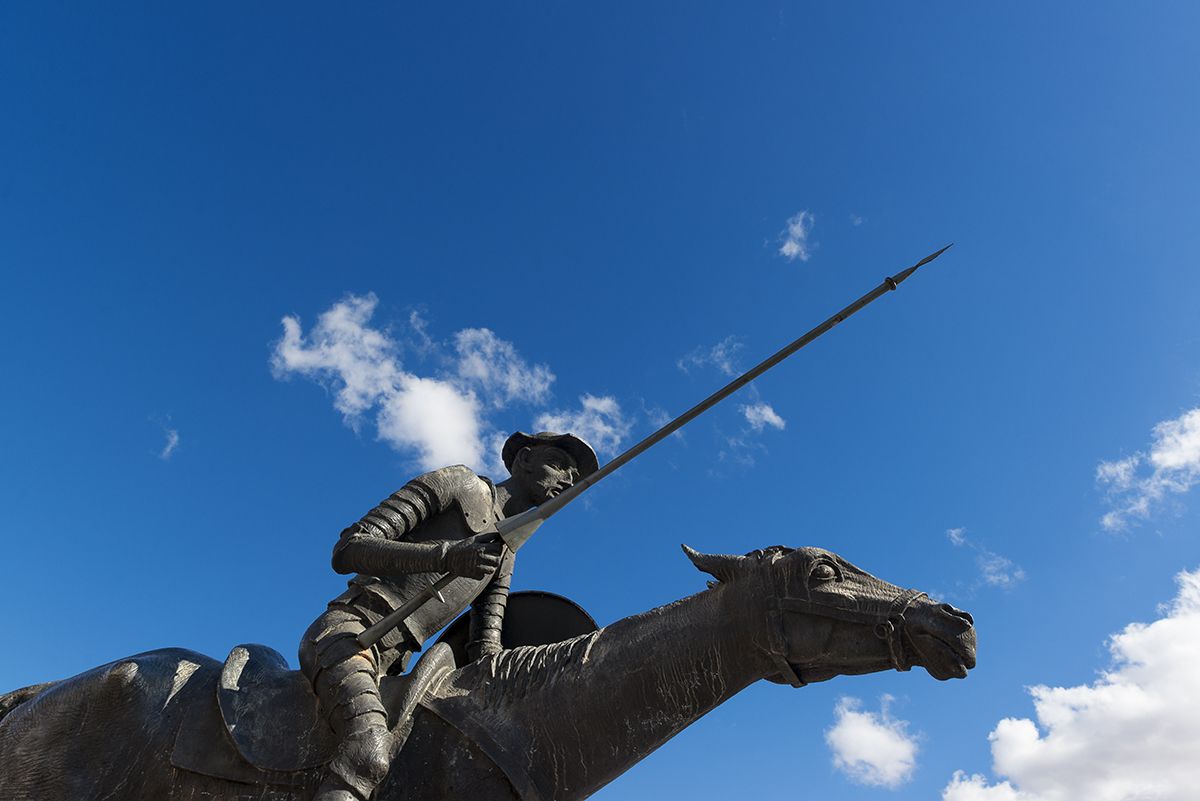
Sculpture of Don Quixote, Alcázar de San Juan (Ciudad Real).
Gastronomía de Raíz
DELICIOUS REGIONAL CUISINE TRADITION AND MODERNITY IN THE KITCHEN AND ON THE TABLE
Castilla-La Mancha (Spain) food is rooted in its rich cultural past and is based on a simple cuisine, with healthy, local produce, prepared using traditional techniques or reinterpreted by leading chefs, that creates the purest form of avant-garde style cuisine.
Castilla-La Mancha has an impressive network of first class restaurants, including 11 with Michelin stars, where diners can sample the region’s cuisine and its most traditional dishes, such as: gachas, pisto, migas, and regional gazpachos, also known as “galianos”. Lamb, venison and partridge stews are local staples.
The finest products are Manchego cheese, saffron from La Mancha, honey from La Alcarria, aubergine from Almagro, Manchego lamb and melon from La Mancha, with Protected Designation of Origin.
The most famous sweets are marzipan from Toledo, made with almonds, honey and sugar; and the miguelitos from La Roda, made with puff pastry and cream. The dessert list also includes Alajú from Cuenca, of Muslim origin.
Castilla-La Mancha is called “the largest vineyard in the world” for good reason. The region is largely covered by a blanket of vines that colour each season of the year with unique and unrepeatable shades, reflecting the cycle of the grape cultivation that lends the region its identity. Native varieties (Airén and Tempranillo) and grapes brought from elsewhere (Syrah and Chardonnay) produce wines with their own personality, aromatic, full-bodied, intense and immense… as immense as the love and know-how of the winemakers who open the doors of their cellars, with traditional or avant-garde architecture, so visitors can learn the wine making secrets that have made Castilla-La Mancha famous, through the 6 certified Wine Routes in the region: La Mancha Wine Route, Valdepeñas Wine Route, La Manchuela Wine Route, Jumilla Wine Route, Méntrida-Toledo Wine Route, and Almansa Wine Route.
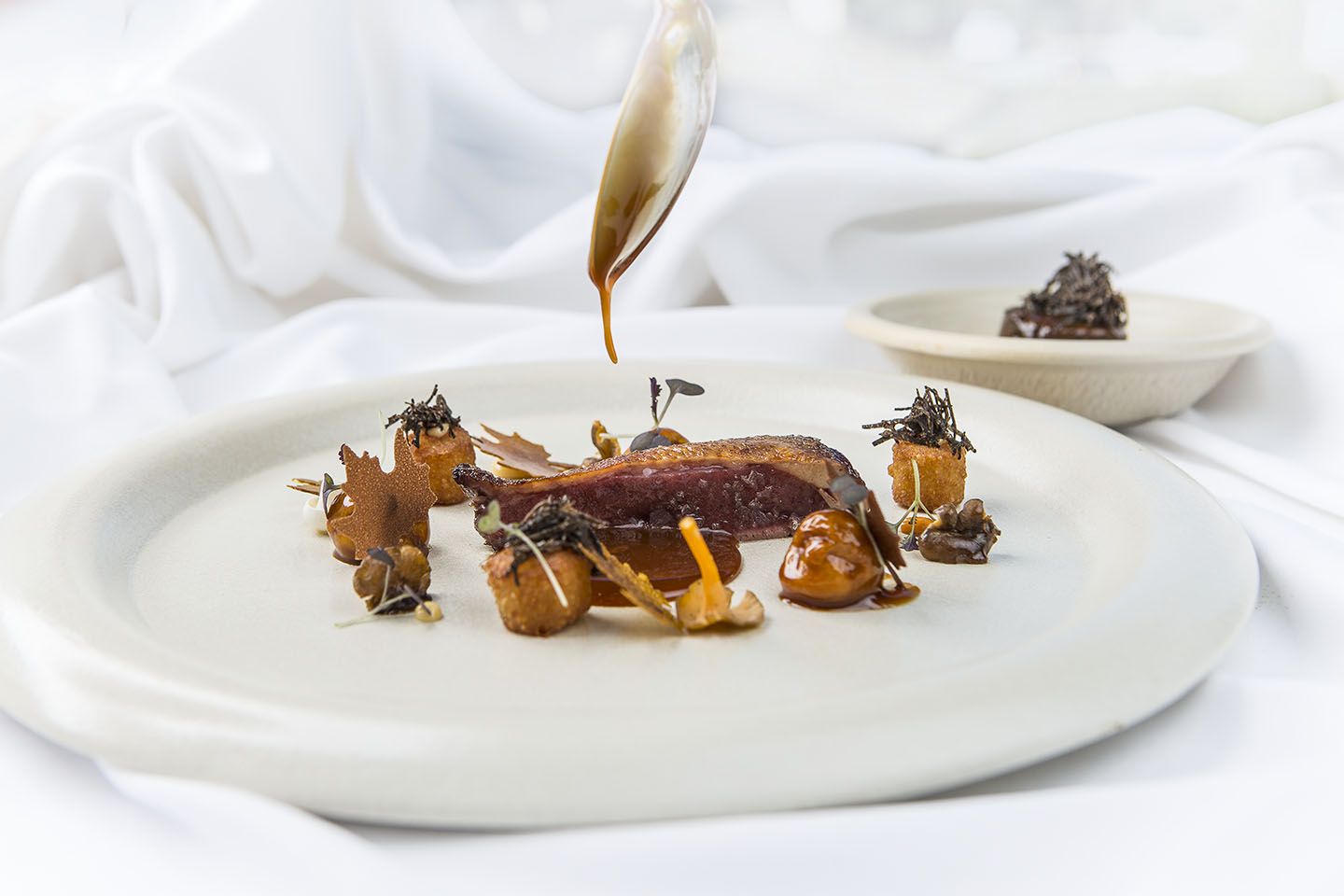
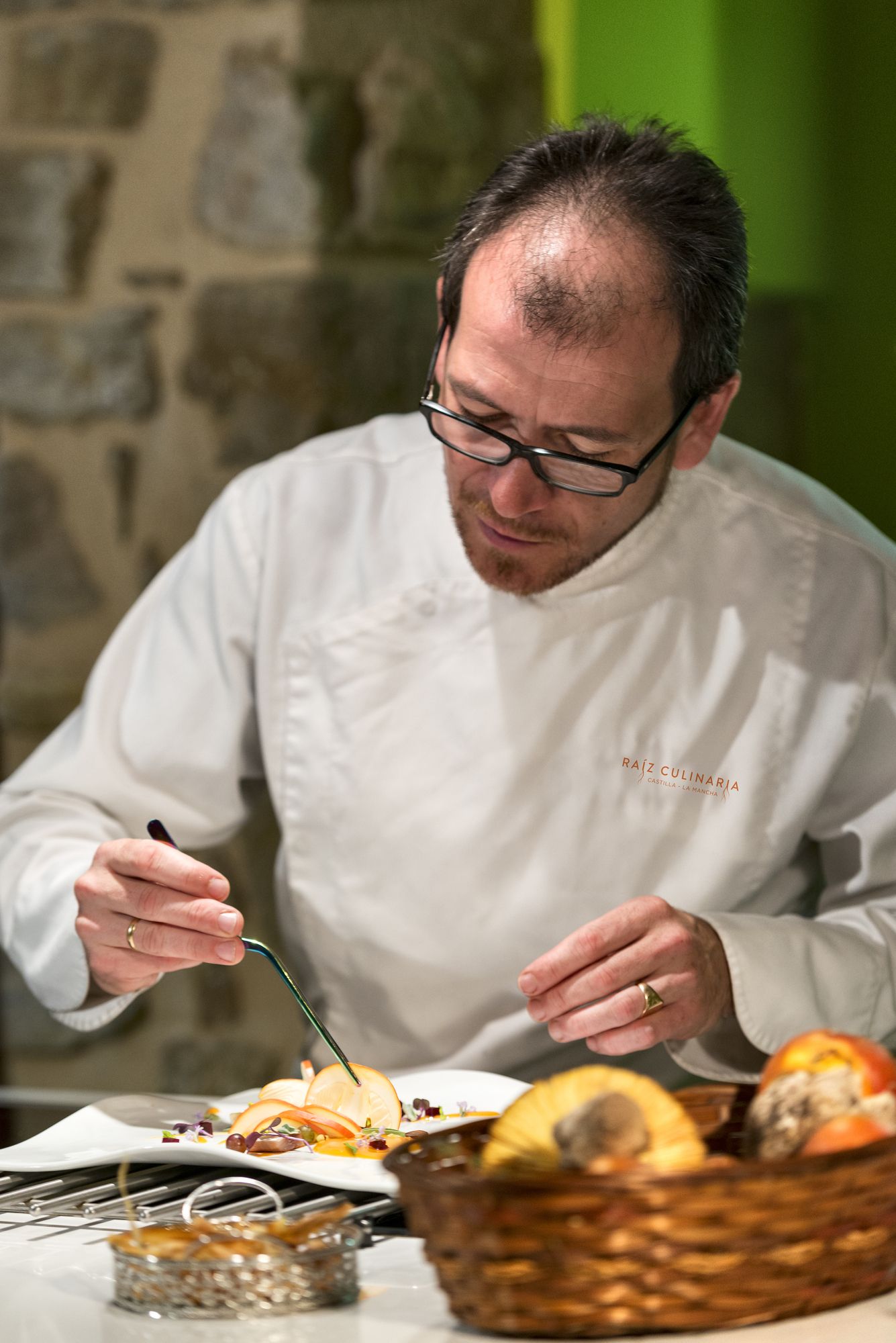
During the Castilla-La Mancha Week at EXPO OSAKA 2025, visitors to the Spain Pavilion can enjoy a unique gastronomic offering, put together by the prestigious chef from Castilla-La Mancha, Enrique Pérez, from the Michelin-starred restaurant El Doncel, located in the beautiful medieval town of Sigüenza (Guadalajara province).
Trout and cod, Manchego cheese, purple garlic from Las Pedroñeras, saffron from La Mancha and honey from La Alcarria, game meat (deer and partridge), mushrooms, a regional red pepper dish (asadillo manchego) and gachas (a savoury gruel with pork) are just some of the ingredients and meals which, cooked with the mastery of the chef who has travelled to Osaka for this event, create an exquisite and avant-garde gastronomic experience, bursting with traditional flavours and aromas. Of course, this is washed down with a sample of exceptional wines, given that Castilla-La Mancha is also the world’s largest vineyard; and some delicious sweet sponge cakes for dessert.
Extensions of vineyards in Castilla-La Mancha.

Legado Artesano
CRAFT-TRADE CULTURE: A SMALL SAMPLE OF CASTILLA-LA MANCHA'S CRAFT-TRADE CULTURE
In Castilla-La Mancha (Spain), crafts such as knife-making and forging, pottery, cabinetmaking, stonemasonry, embroidery and leather goods continue to be practised today, following techniques handed down from generation to generation.
This tradition means that the master craftsmen and women of today create objects full of innovation and modernity, using their hands to forge marvels with humble raw materials such as clay, wood, iron, vegetable fibres, leather, glass, paper, wool, fabrics and threads.
Unique and unforgettable pieces of ceramics and tiles in Talavera de la Reina and El Puente del Arzobispo (its pottery was declared an Intangible Heritage of Humanity by UNESCO in 2019), knife-making in Albacete, Damascening, chiselling and sword making in Toledo, lace in Almagro, embroidery in Lagartera (specially protected with its declaration as an Asset of Cultural Interest) and Oropesa, or wickerwork in the Cuenca region.
The regional craft scene also encompasses workshops where forges dominate, beautiful pieces of pottery are moulded, barrels are made, complex coffered ceilings are assembled, images or altarpieces are carved, guitars and musical instruments are built, leather is worked, and paper is created.
During Castilla-La Mancha week at EXPO OSKA 2025, the Spanish Pavilion will feature live exhibitions of its craft-trade heritage.
Visitors can witness first-hand some of the region’s most iconic crafts, which protect and promote the artisan culture, deeply rooted in the different regions of Castilla-La Mancha.
Discover the essence and soul poured into the craft culture that creates the unique pieces handmade by the men and women of Castilla-La Mancha, who have amassed a treasure trove of knowledge for centuries, passed down from father to son from generation to generation:
Albacete knife-making
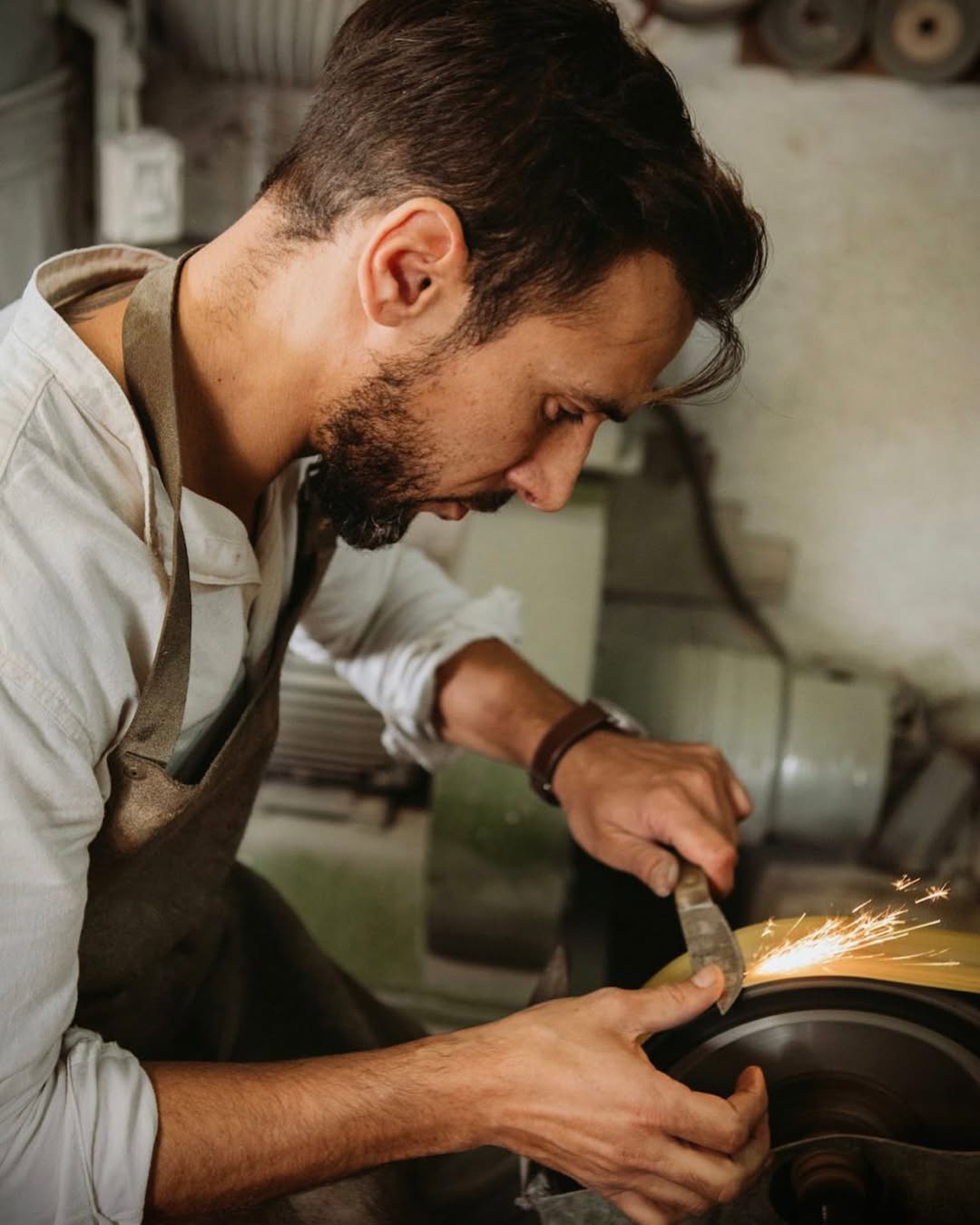
A craft and an industry that has its roots in the times of the Muslim invasion of the Iberian Peninsula. Declared an “Asset of Cultural Interest”, Albacete’s knife-making and its artistic tradition have been forged over the centuries. It has been and remains today an important productive sector that employs hundreds of families in the city of Albacete. Albacete’s Knife-Making Museum is a living example of the importance of this craft in the city.
Master craftsman: Manuel Fernández Rovira, Albacete.
Fernández Knife-Making

El Puente del Arzobispo pottery
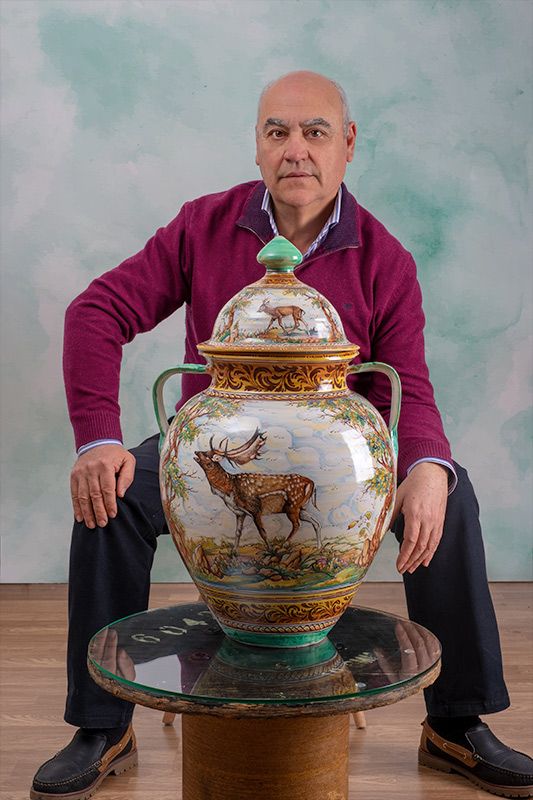
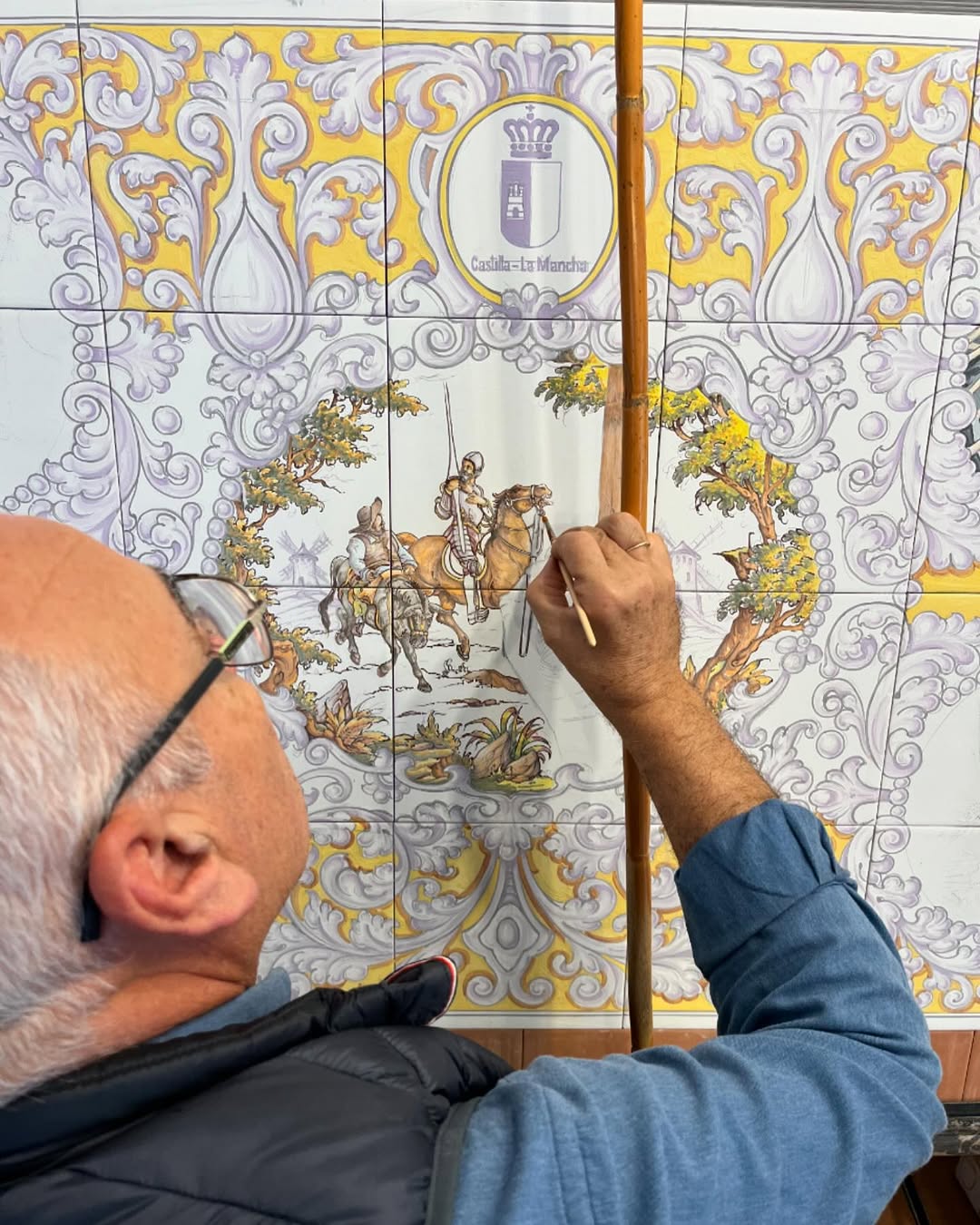
Declared a World Heritage Site by UNESCO, along with the ceramics of Talavera de la Reina, are world famous. These two enclaves represent one of the world’s leading pottery centres. Puente del Arzobispo has stood out since ancient times for its excellent quality clay, which led to the growth of this industry on the banks of the River Tagus. The pottery tradition is still very much alive today. There are over 30 active workshops, most dating back to the ceramic revival of the last century. A new batch of talented, original potters are also succeeding in adapting their designs and pieces to new spaces and more contemporary aesthetics, while remaining faithful to the original techniques.
Master craftsman: Juan Antonio Escobar, Puente del Arzobispo.
Juan Antonio Escobar Pottery
Embroidery
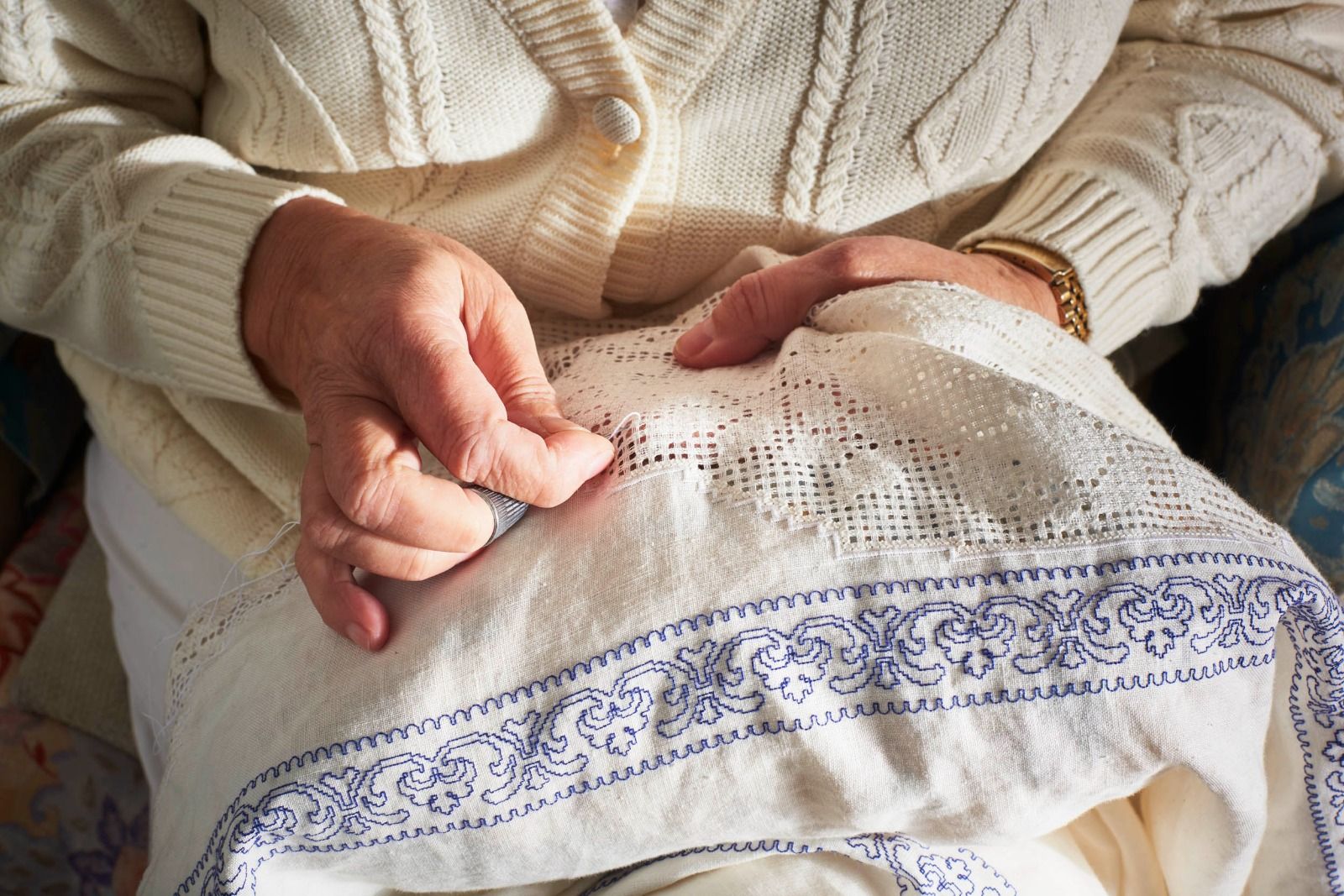
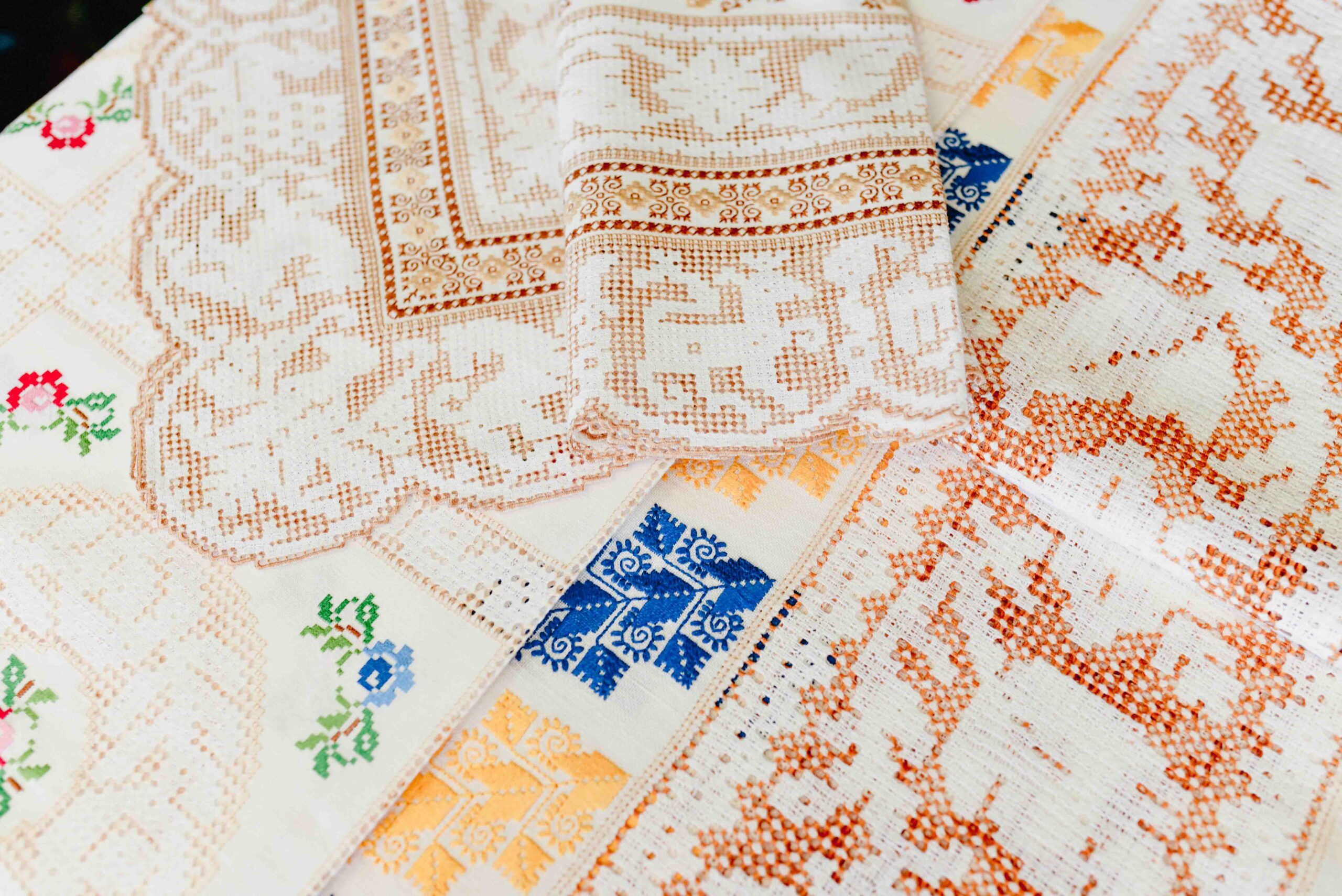
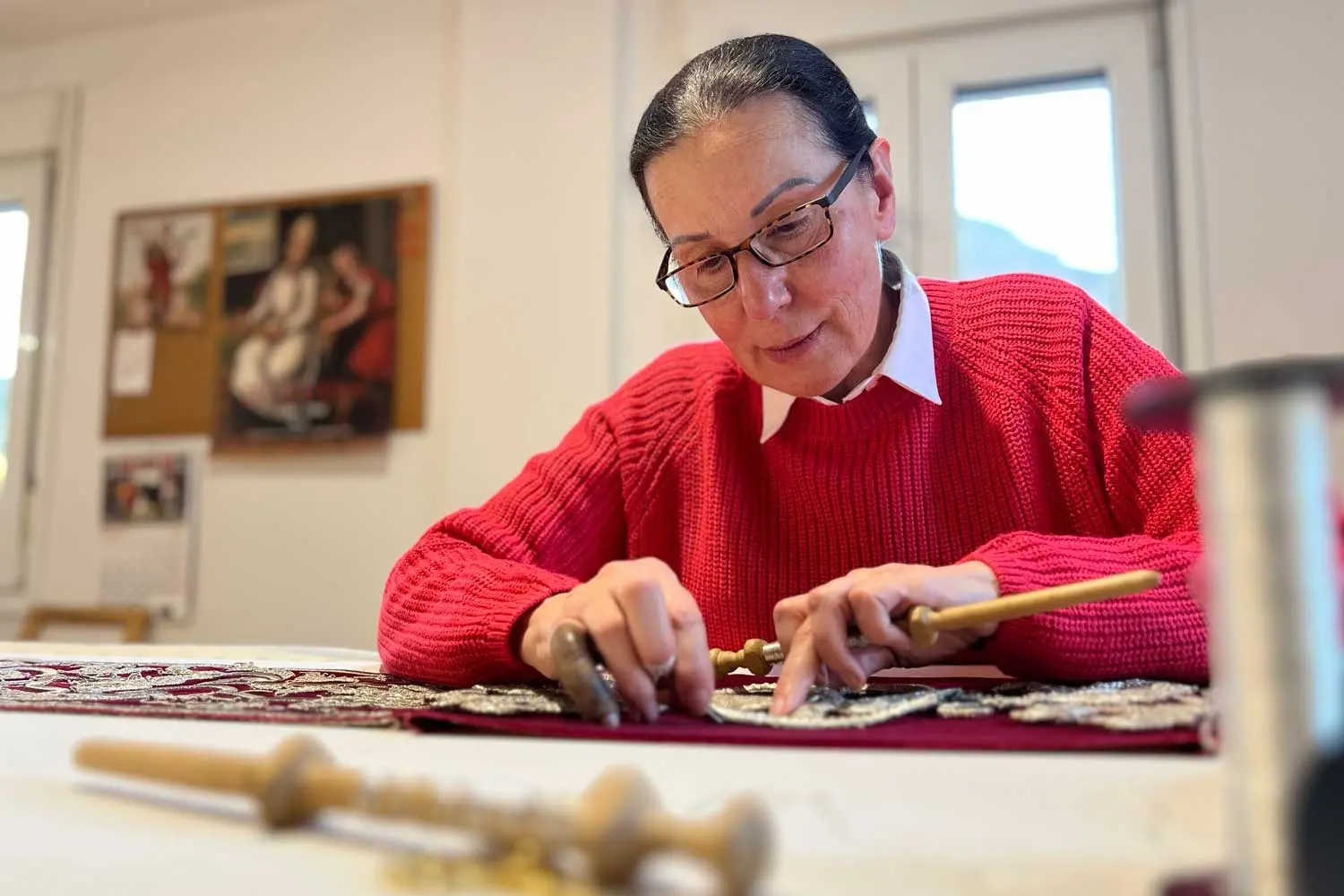
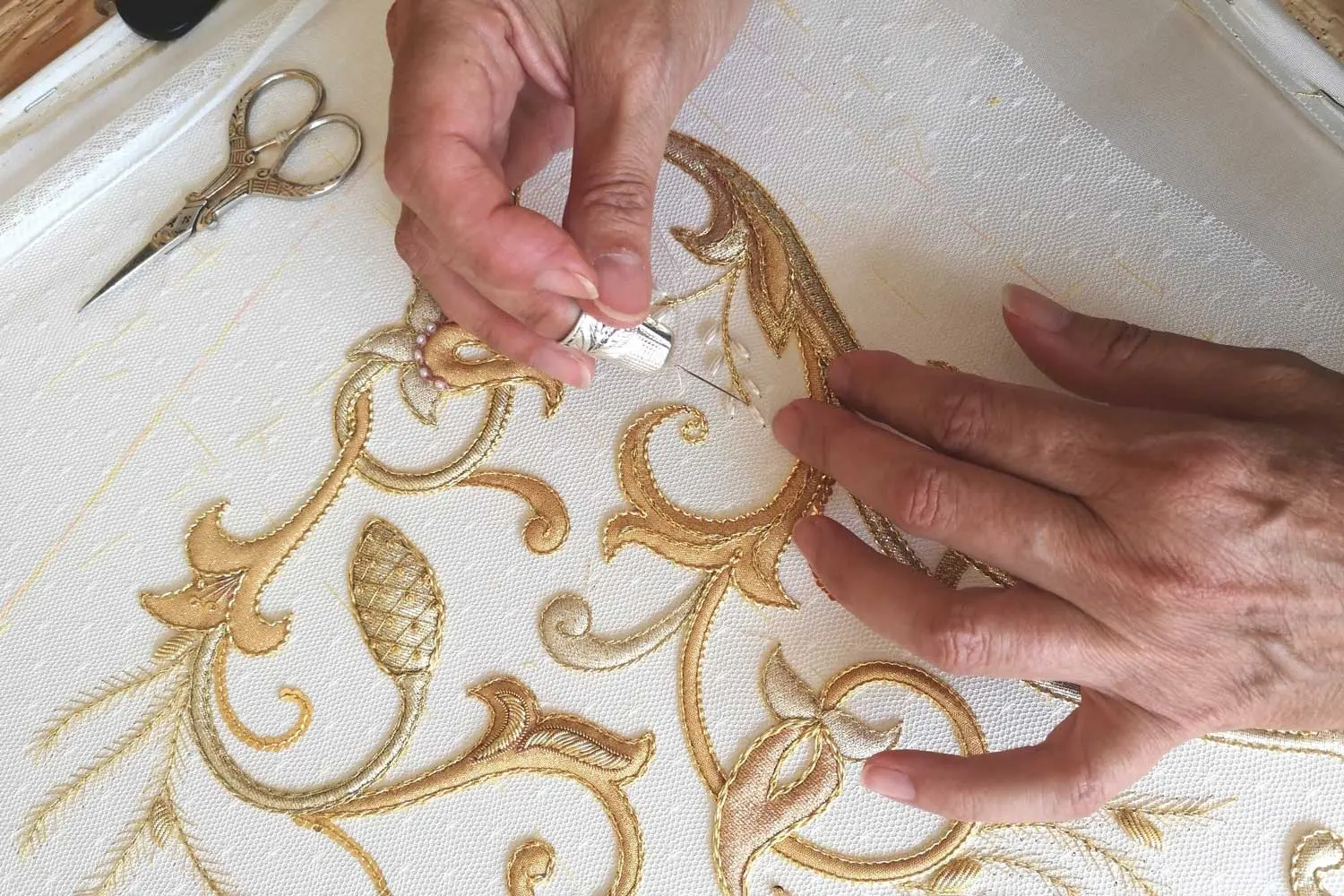
Embroidery work in Castilla-La Mancha is an age-old tradition. Although only documented from the 16th century onwards, it is believed that the full history of this intricate textile work dates to the Middle Ages. Since then, it has been passed down from generation to generation, mainly through women: from mothers to daughters.
Despite the profound social and cultural changes, mainly in the 20th century, Castilla-La Mancha has managed to preserve its craft culture in embroidery too. Even today, this tradition is still alive and well, resulting in exclusive designs.
The craftswoman Macarena Sanz (from Cuenca) is taking part the Spanish stand at EXPO OSAKA 2025, during Castilla-La Mancha week, creating all kinds of pieces decorated with different gold embroidery techniques. She crafts embroidery for banners, costumes for religious images and different religious liturgy (Catholic) pieces, as well as fabrics for flags, insignias and tapestries.
Master craftswoman: Macarena Sanz, Cuenca.
UNPARALLELED FESTIVALS, TRADITION AND FOLKLORE
In Castilla-La Mancha, hundreds of festivals highlight the most unique areas of popular culture, generous with its past and ambitious when looking to the future.
Age-old traditions remain alive and well among the local population, where younger generations continue to uphold the dances, the richness and complexity of the costumes, and the love for their ancestors’ history, ensuring the past will not be forgotten.
The local dances known as the seguidilla, the mayos, the jotas, the rondeñas, and festivities such as Corpus Christi, Carnival and Holy Week are fine examples of a quintessentially Castilla-La Mancha way of understanding life awaiting visitors to the region.
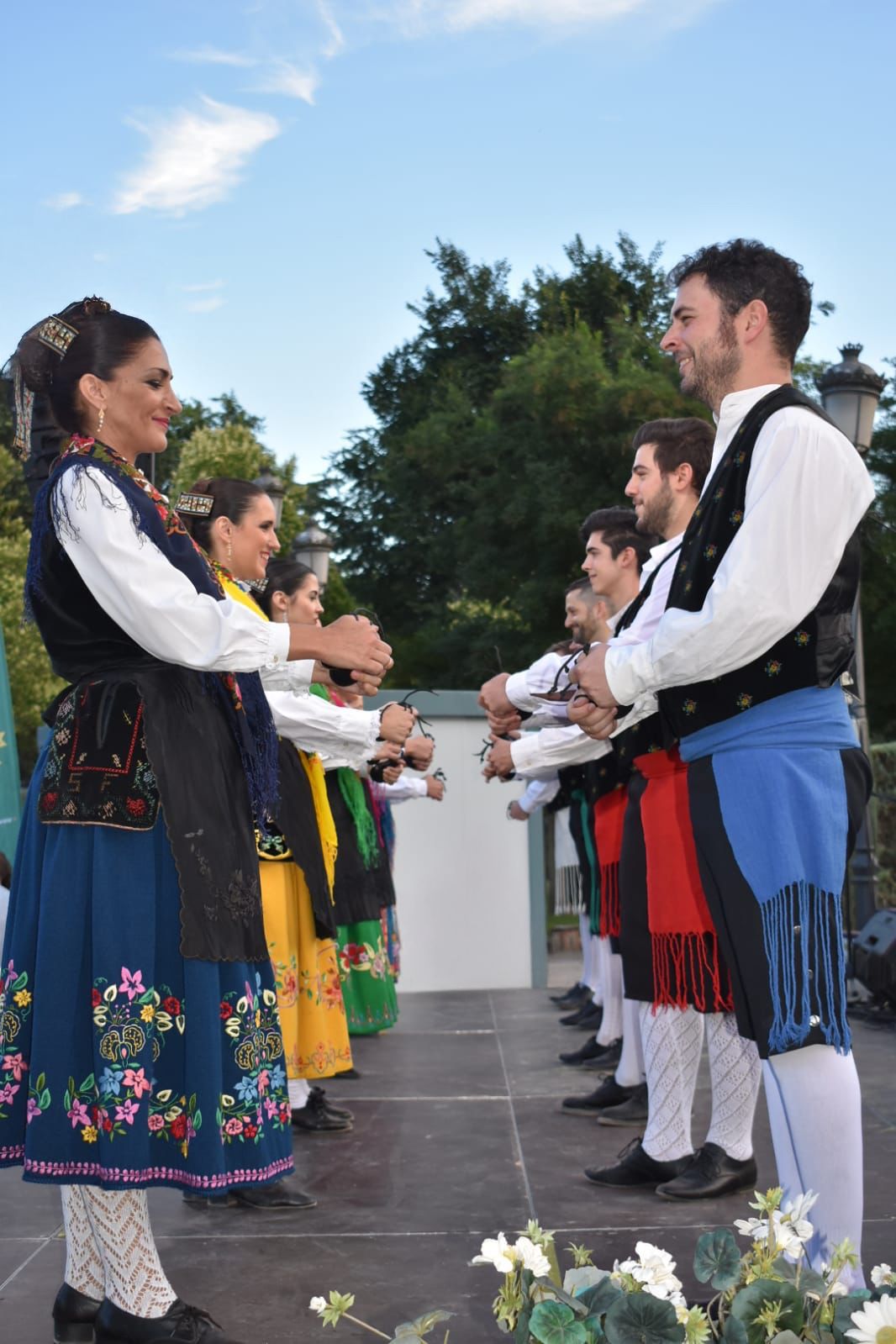
Castilla-La Mancha has seven festivals of international tourist interest:
The Albacete Fair, from 7 to 17 September, brings together thousands of people to enjoy the festive atmosphere both day and night.
Semana Santa (Holy Week) and Tamborada de Hellín (Albacete), the tamborada (drum playing festival) has also been declared an Intangible Heritage of Humanity by UNESCO.
Holy Week in Cuenca and Holy Week in Toledo, characterised by passion and Castilian sobriety.
Religious Music Week in Cuenca, which coincides with Holy Week.
Corpus Christi procession in Toledo, where a rich and delicate gold monstrance, a piece of 16th century goldsmithing, is paraded in a procession through the streets of the historic city centre, which is decorated with flowers, awnings, garlands and aromatic plants to mark this special occasion.
Almansa Festival (Moors and Christians), with spectacular parades that recreate the battles between Christian and Muslim troops during the medieval Reconquest.
Castilla-La Mancha also has other festivals of national tourist interest, celebrated during the annual festival season, events with their roots and tradition in Carnivals, Easter, Corpus Christi… for example, the Holy Week of the Calatrava Passion and Corpus Christi in Elche de la Sierra and its incredible sawdust carpets, the arrival of spring (“Los Mayos” in Pedro Muñoz and “Las Mondas” in Talavera de la Reina), and the grape harvest in Valdepeñas.
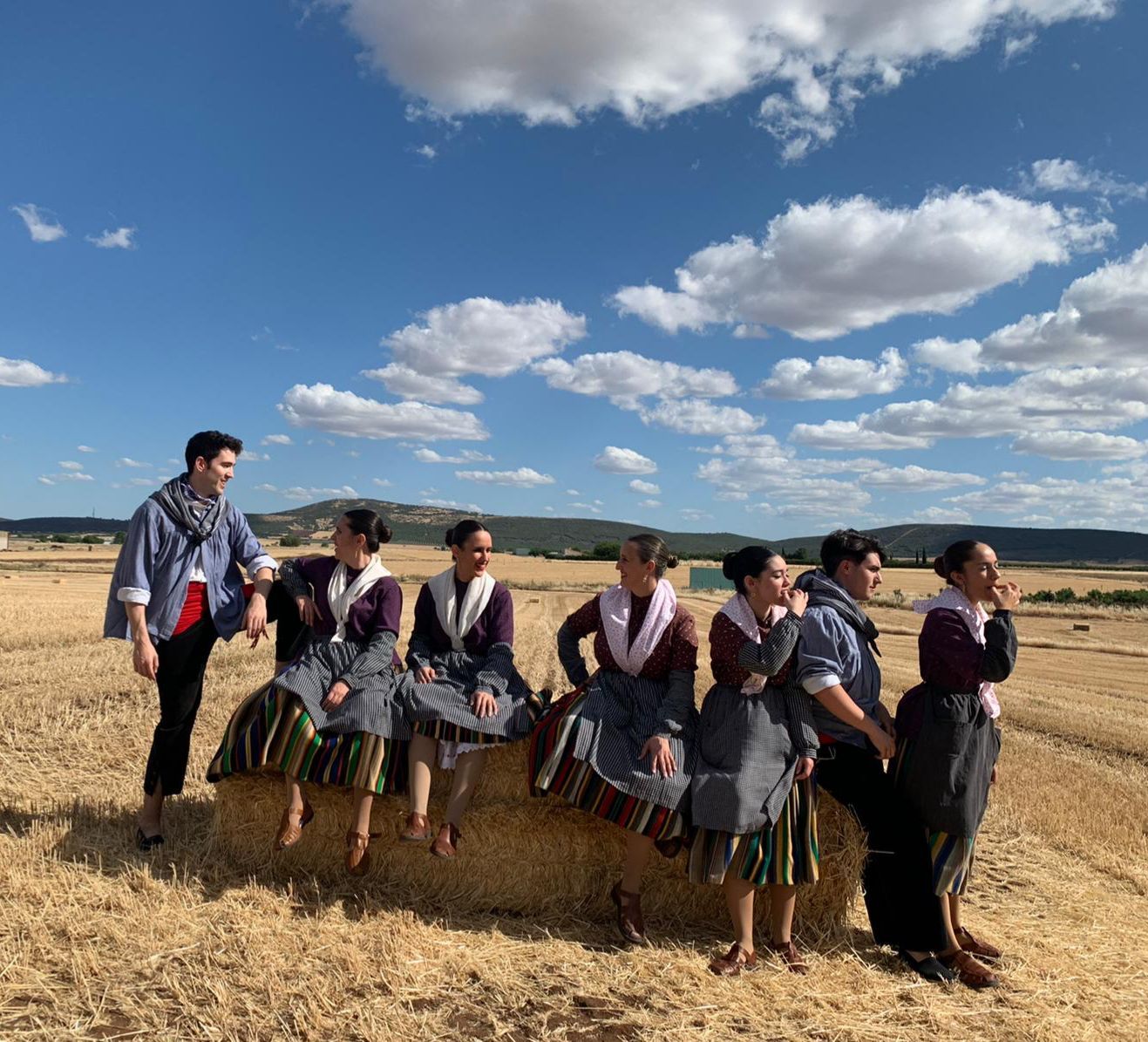
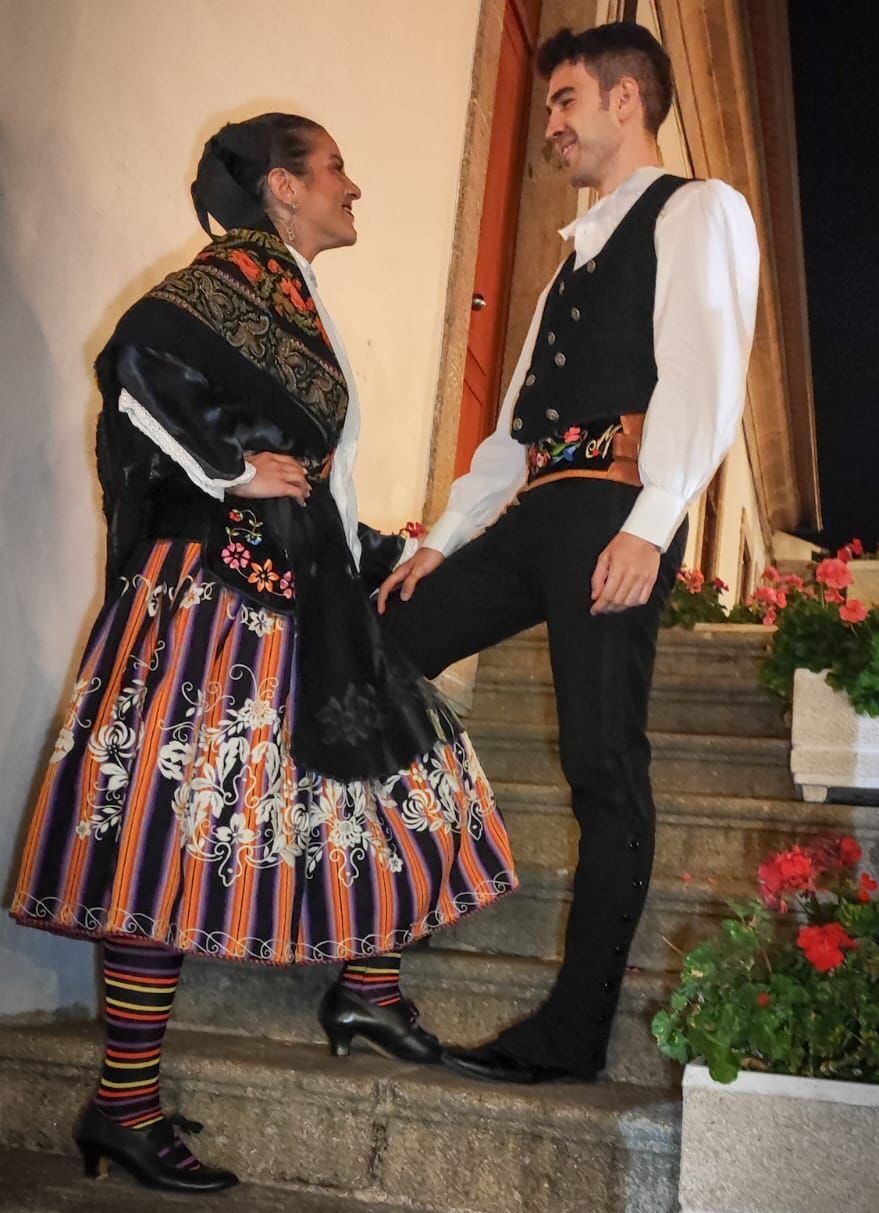
An exquisite selection of typical regional costumes modelled by youngsters from Castilla-La Mancha who have travelled to Osaka to showcase the beauty and delicacy of their fabrics and workmanship.
The costumes once worn to celebrate life: at festivals, weddings and major annual events, are now used to dance the mayos, the seguidillas, the jotas, etc., which are as Manchegan as cheese, and so representative of this Spanish region.
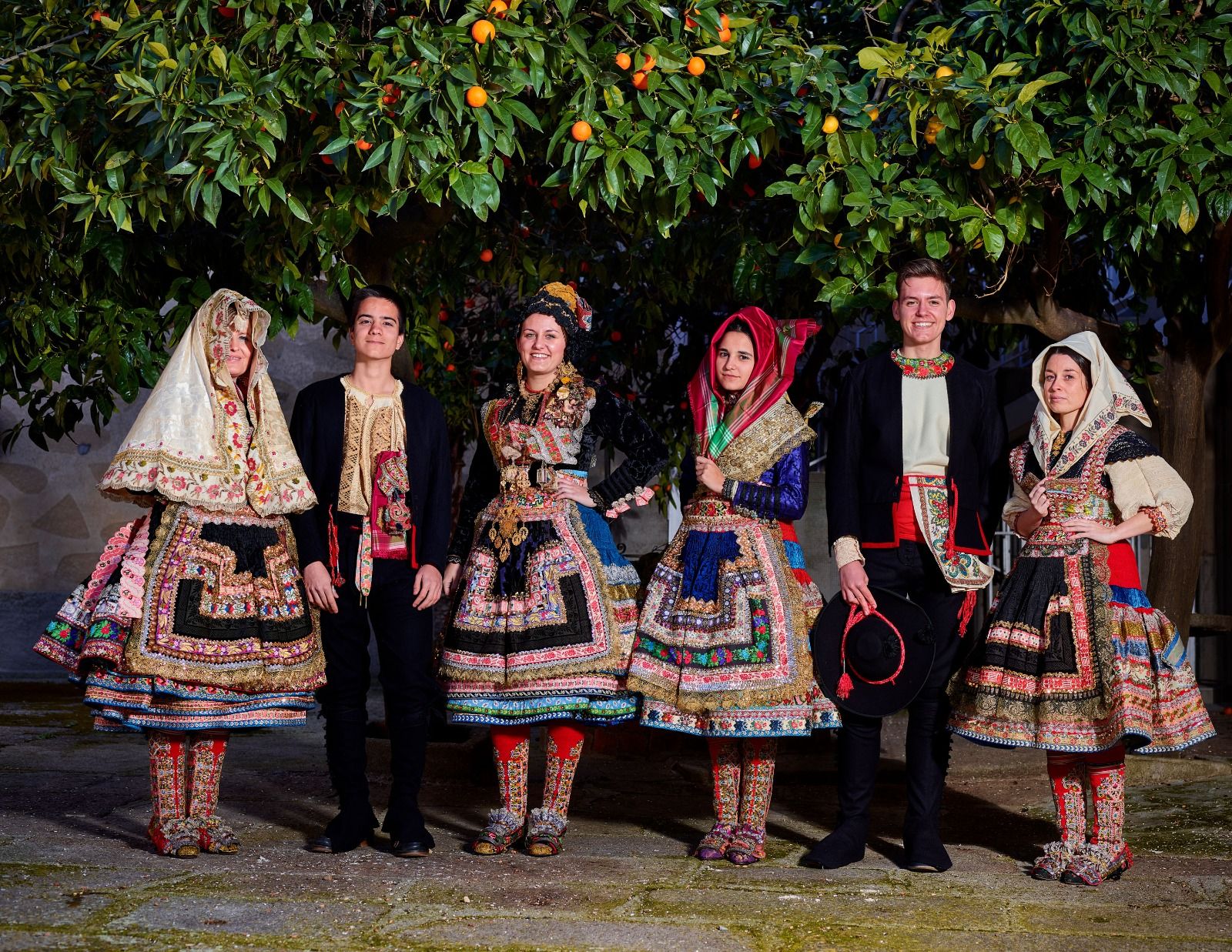
Traditional costumes of Lagartera (Toledo)
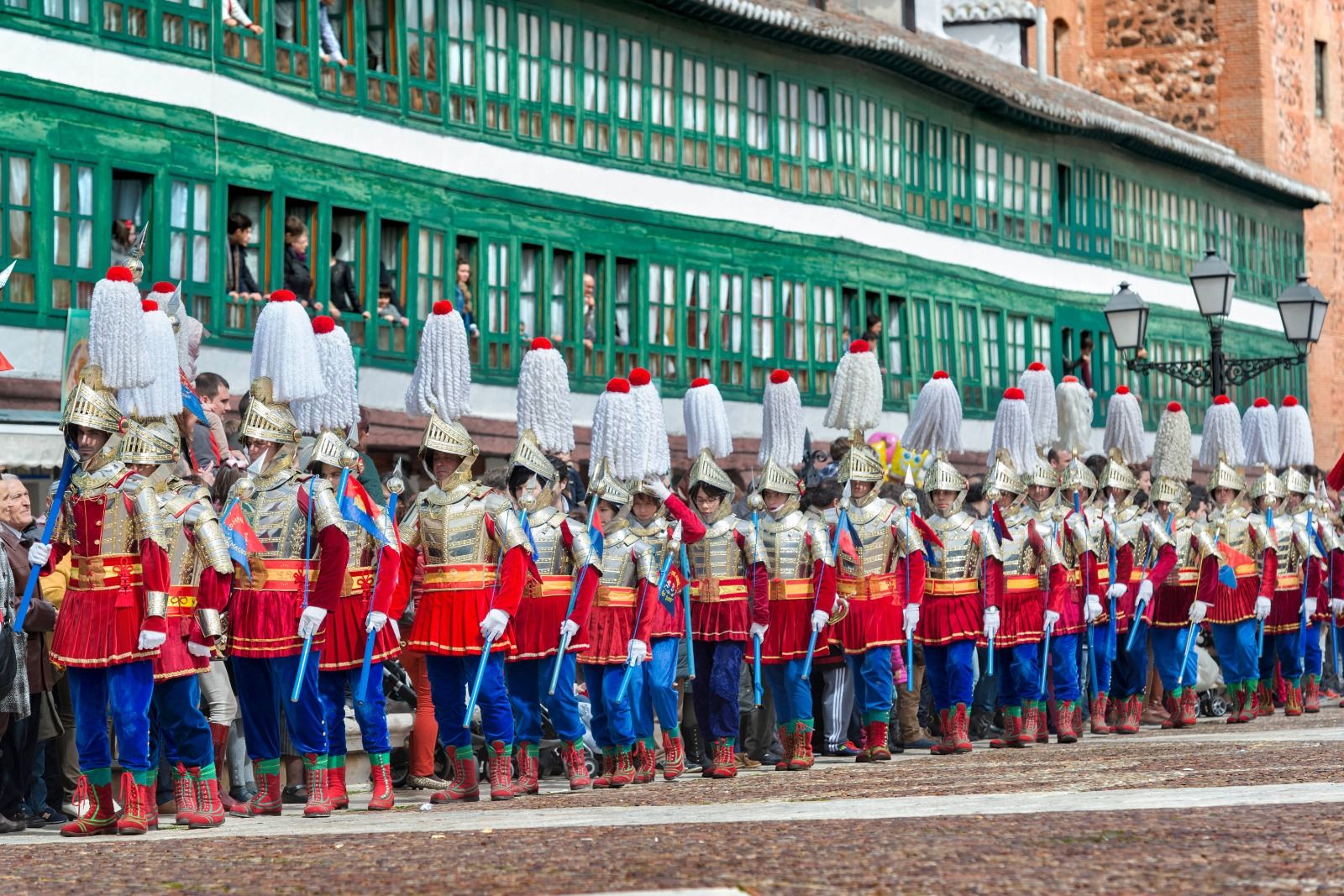
Los Armaos of Almagro (Ciudad Real)
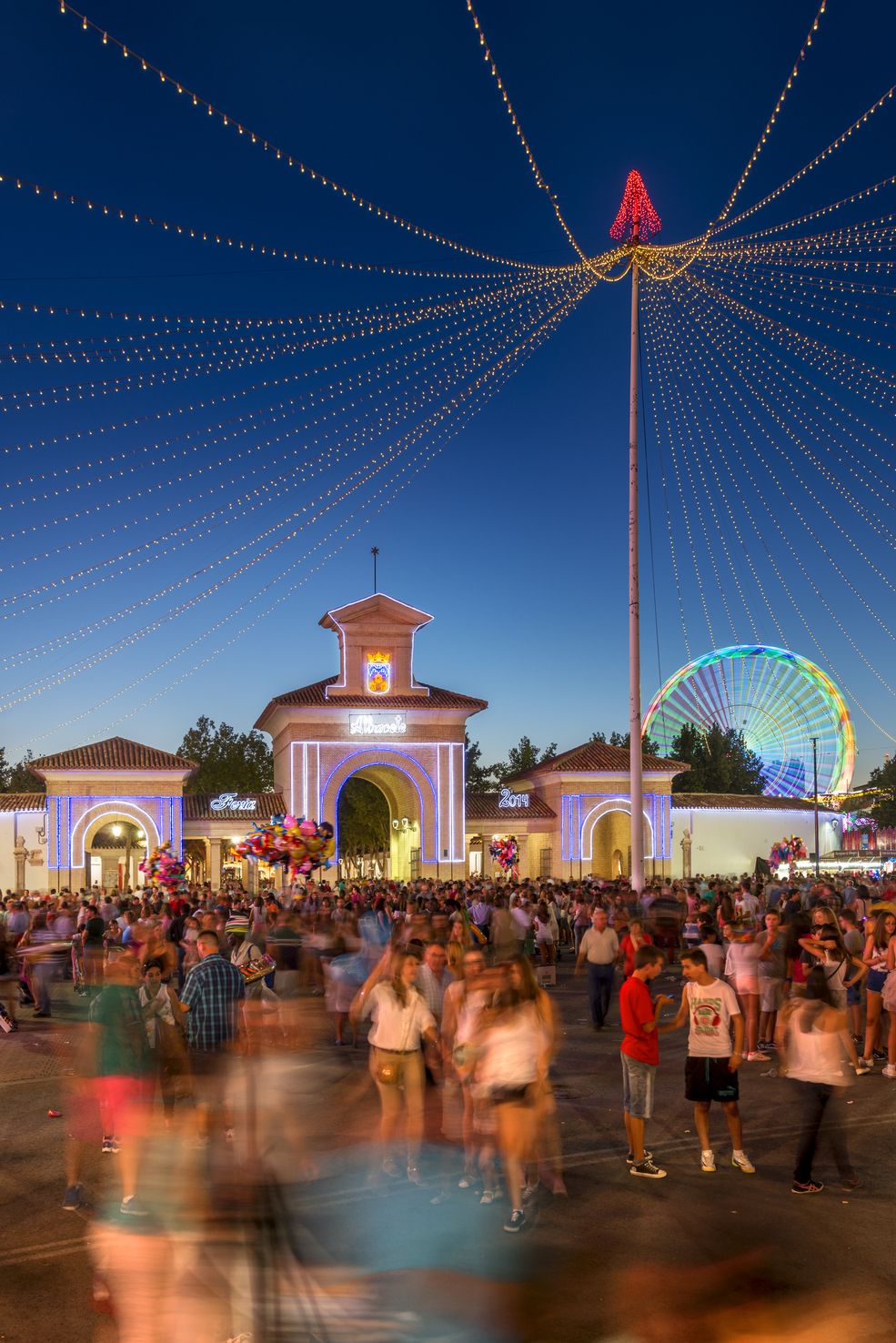
Albacete Fair
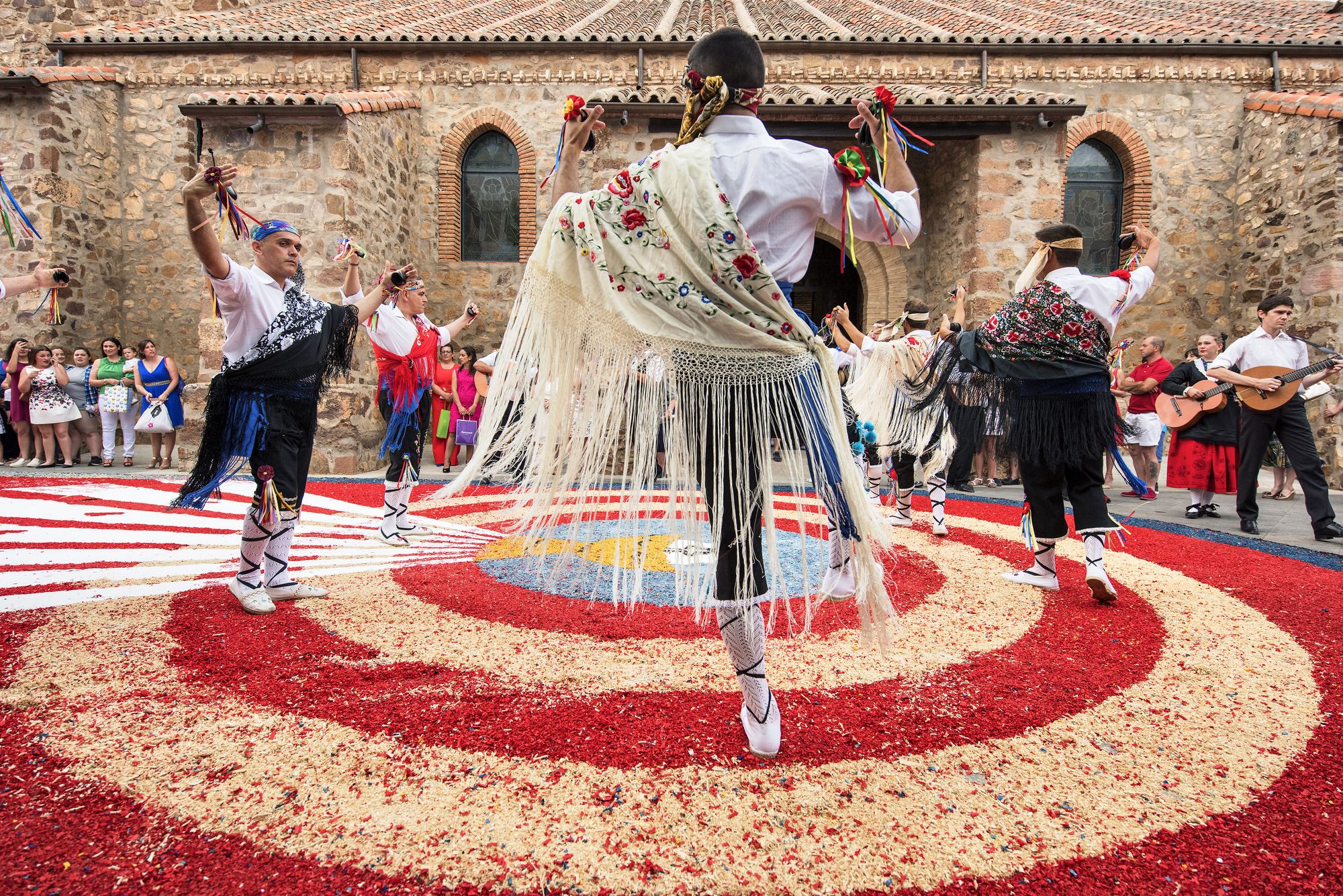
Corpus Christi of Porzuna (Ciudad Real)
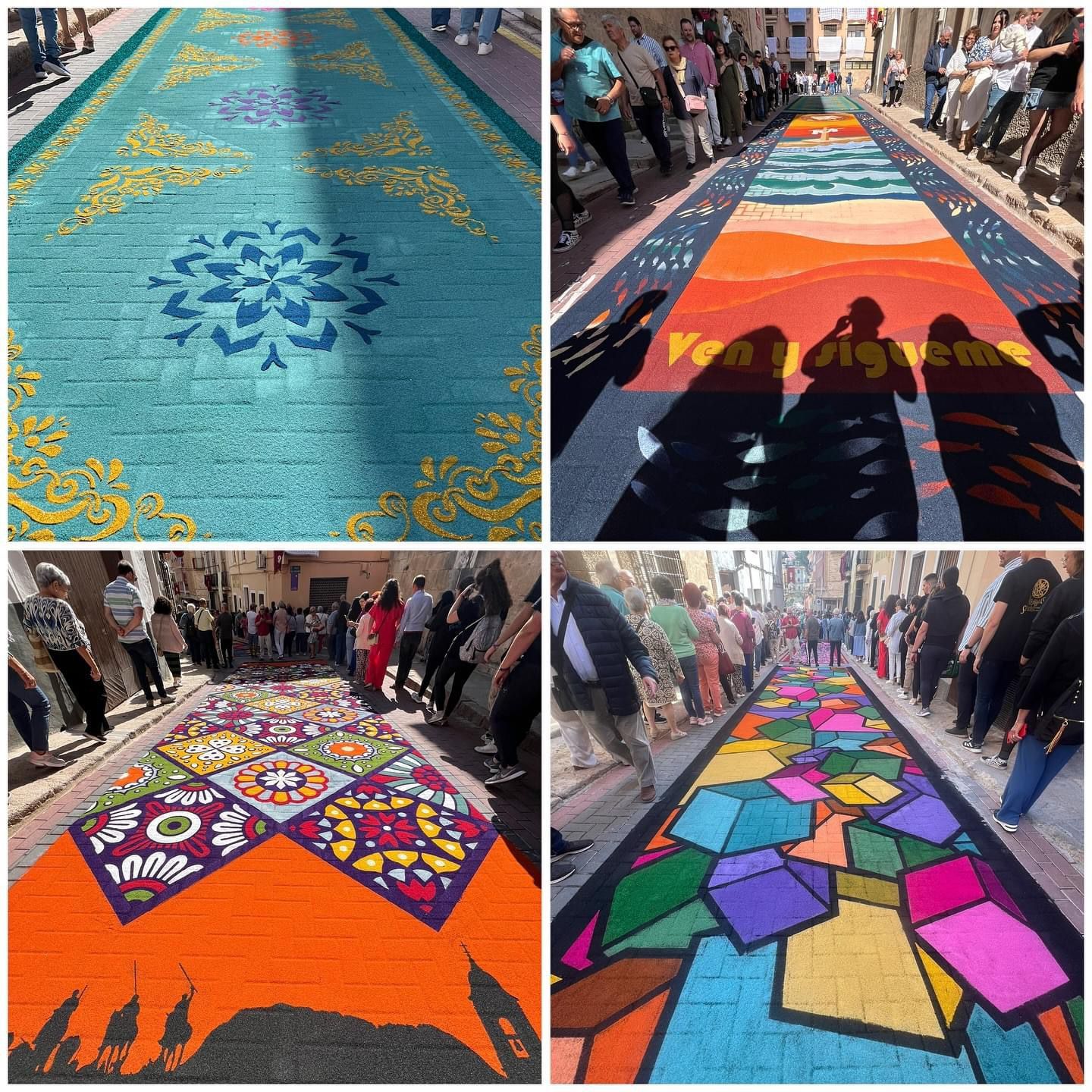
Sawdust Carpets from Elche de la Sierra (Albacete)
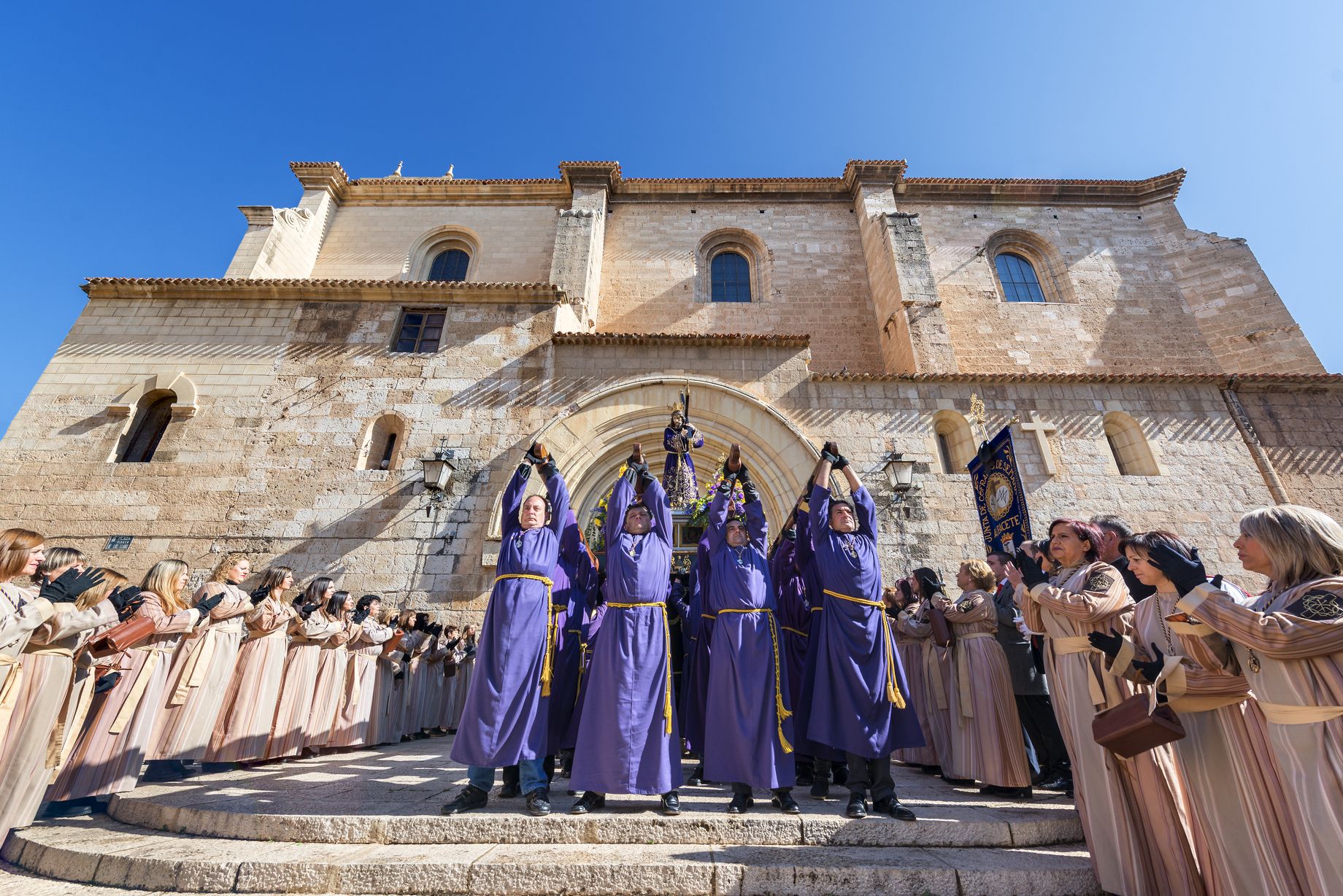
Easter Week in Hellín (Albacete)
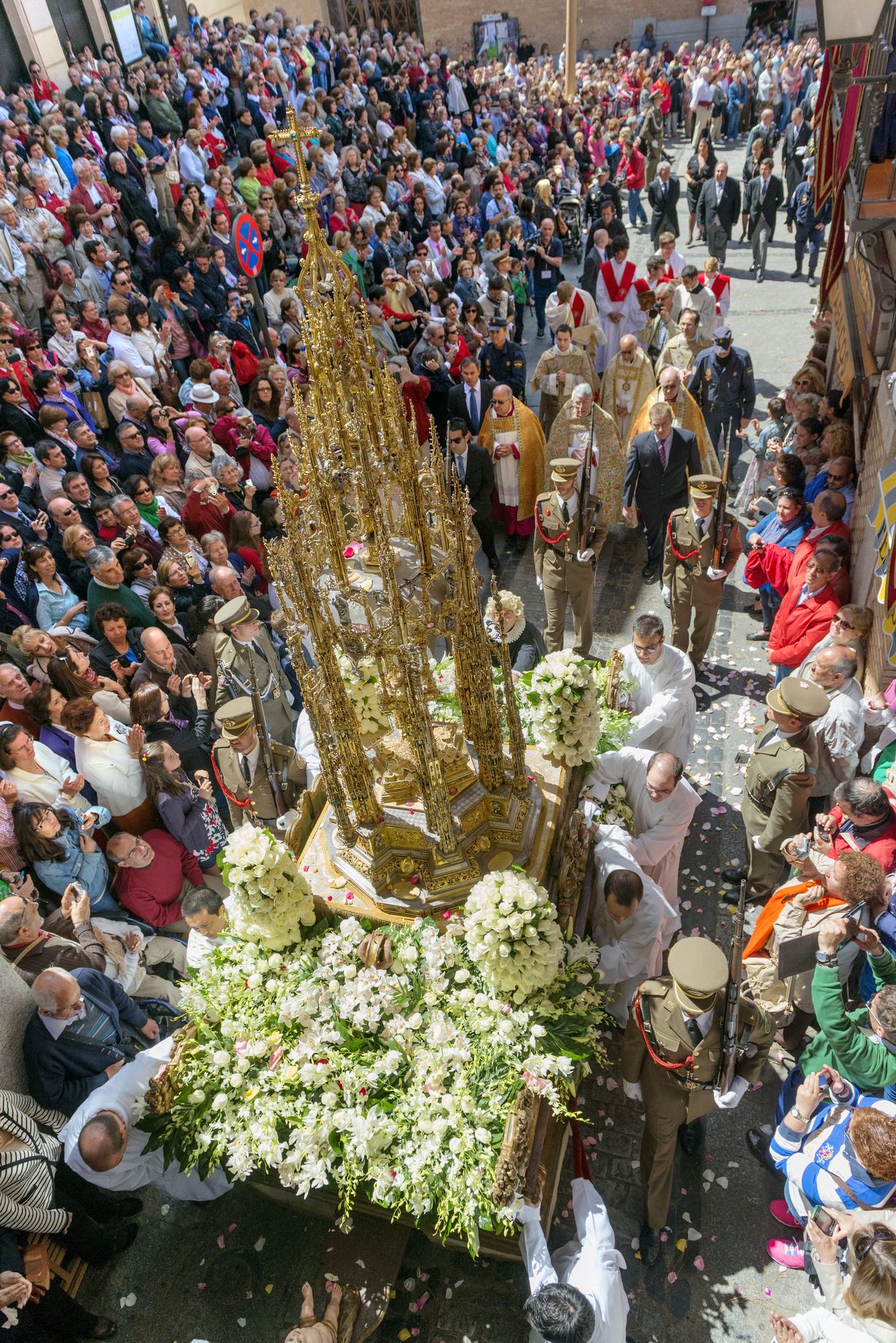
Corpus Christi in Toledo
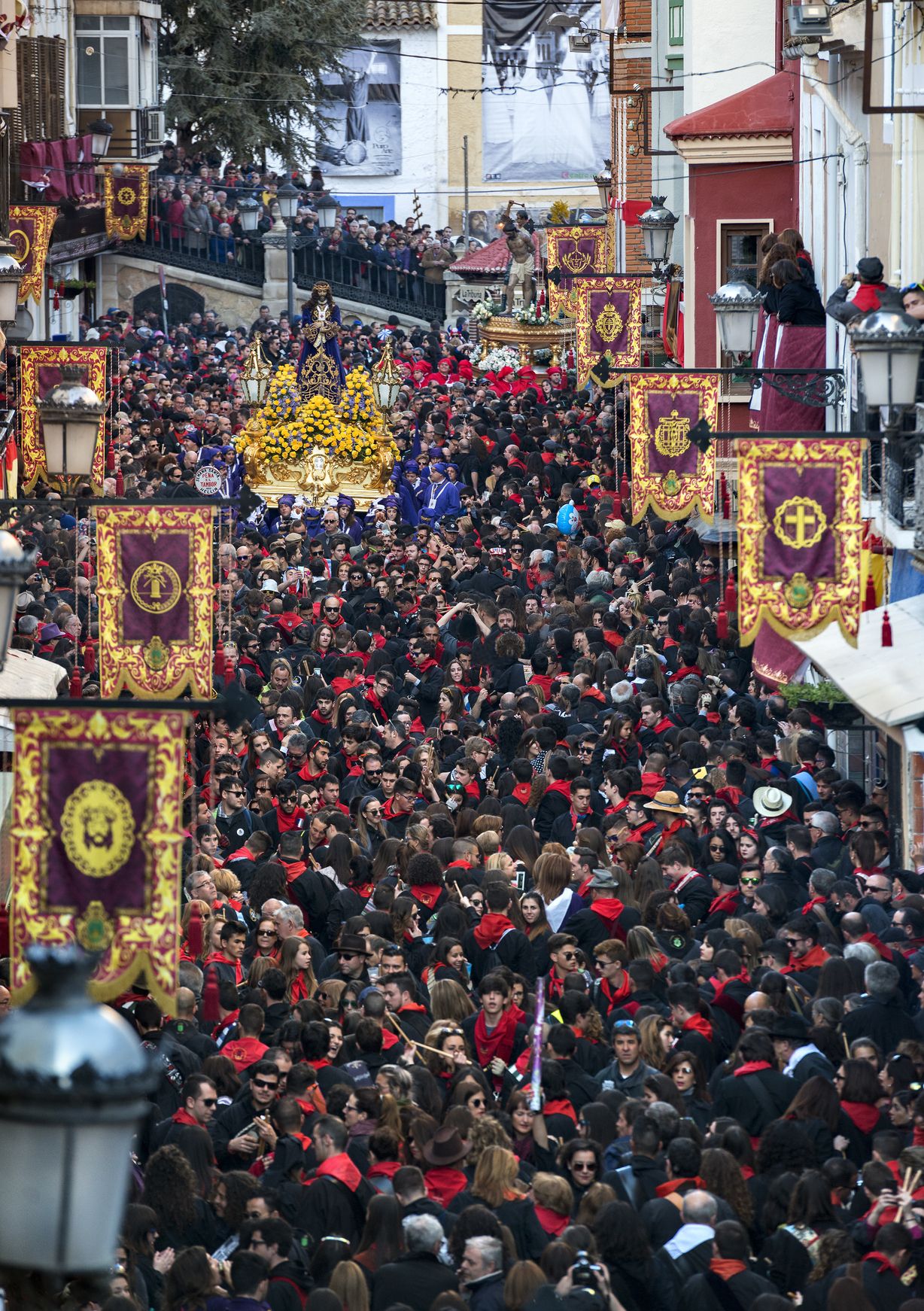
Easter Week in Hellín (Albacete)
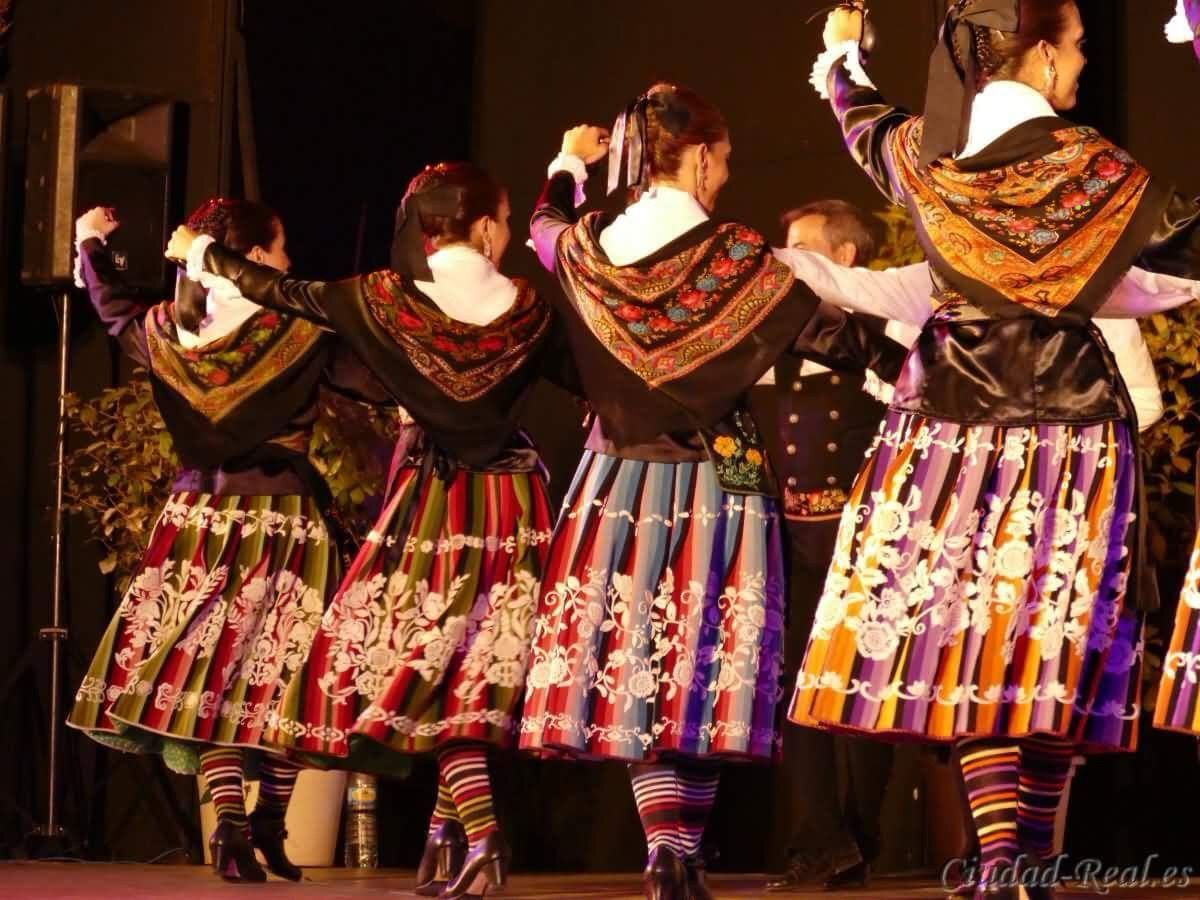
Traditional folklore of Castilla-La Mancha
CASTILLA-LA MANCHA: A DESTINATION FOR YOUR SPANISH TRIP
Castilla-La Mancha is an immense cultural landscape speckled with archaeological sites, Roman cities and villas, medieval towns, unique villages such as those found on the black architecture route, and the La Mancha villages featuring houses with white and indigo blue façades.
Internationally renowned due to its UNESCO World Heritage cities: Toledo since 1986 and Cuenca since 1996.
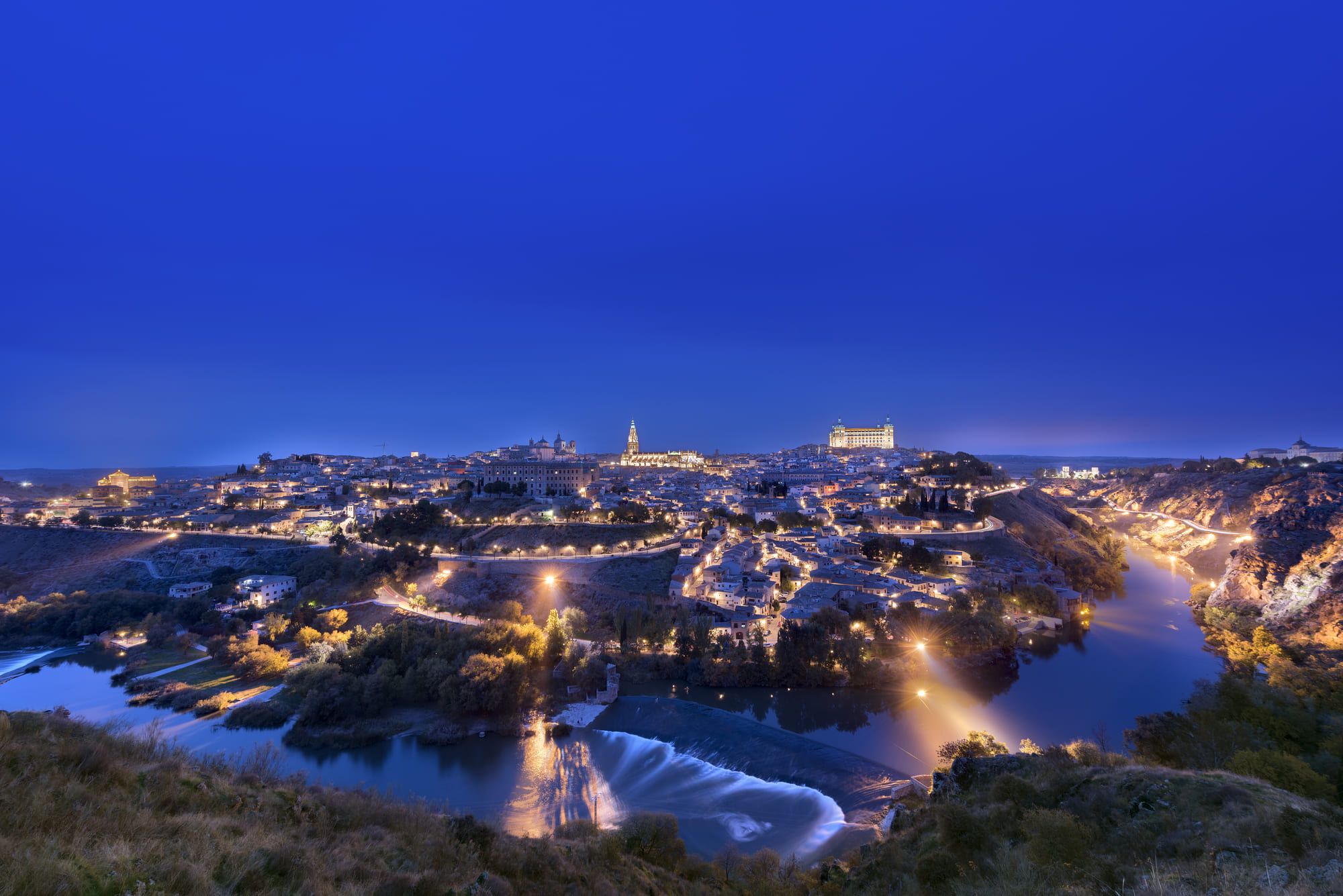
Toledo
The city of El Greco, the capital of the Visigothic kingdom, the city of the Three Cultures, the imperial city of Charles V, the beloved capital of Sepharad (Sephardic: Jews who lived in the Iberian Peninsula until their expulsion in 1492), Toledo forms, alongside Cuenca, part of the Network of World Heritage Cities of Spain. Its famous skyline featuring the silhouette of its imposing cathedral and Alcázar (fortress) is the postcard shot for all visitors to the region. Surrounded by the Tagus River on its way to the Atlantic, Toledo is a city that bears the heritage traces of all the peoples to inhabit Spain.
The newly created Puy du Fou España theme park, based on grandiose and moving spectacles inspired by Spanish history, is another of Toledo’s main attractions.
Its most deeply-rooted and famous festival is Corpus Christi, of international tourist interest, and its most famous and traditional handicrafts are damascene work and Toledo steel sword-making.
Toledo, a Unesco World Heritage City
Cuenca
A city rooted in the mountains and surrounded by the gorges of the Júcar and Huécar rivers. Cuenca is the birthplace of Spanish abstract art, and its architecture with its motley skyline of brightly coloured houses defies vertigo.
Its most significant monuments are the cathedral, the museum of Spanish abstract art, the castle, and the Mangana tower, however the «Hanging Houses» are the city’s highlight.
The modern Science Museum and the Palaeontological Museum are also first class museums. Its Holy Week and its Religious Music Week (held at the same time) have been declared of international tourist interest.
Both Toledo and Cuenca are home to the Roberto Polo Collection (CORPO Castilla-La Mancha), one of the most fascinating collections of 20th century avant-garde art in the world.
Cuenca, a UNESCO World Heritage City
Almadén Mining Park
The Almadén Mining Park, also declared a UNESCO World Heritage Site, is home to the largest and oldest mercury mine in the world, and today offers interesting educational tours inviting visitors to discover the bowels of the earth and the secrets of mineral extraction.
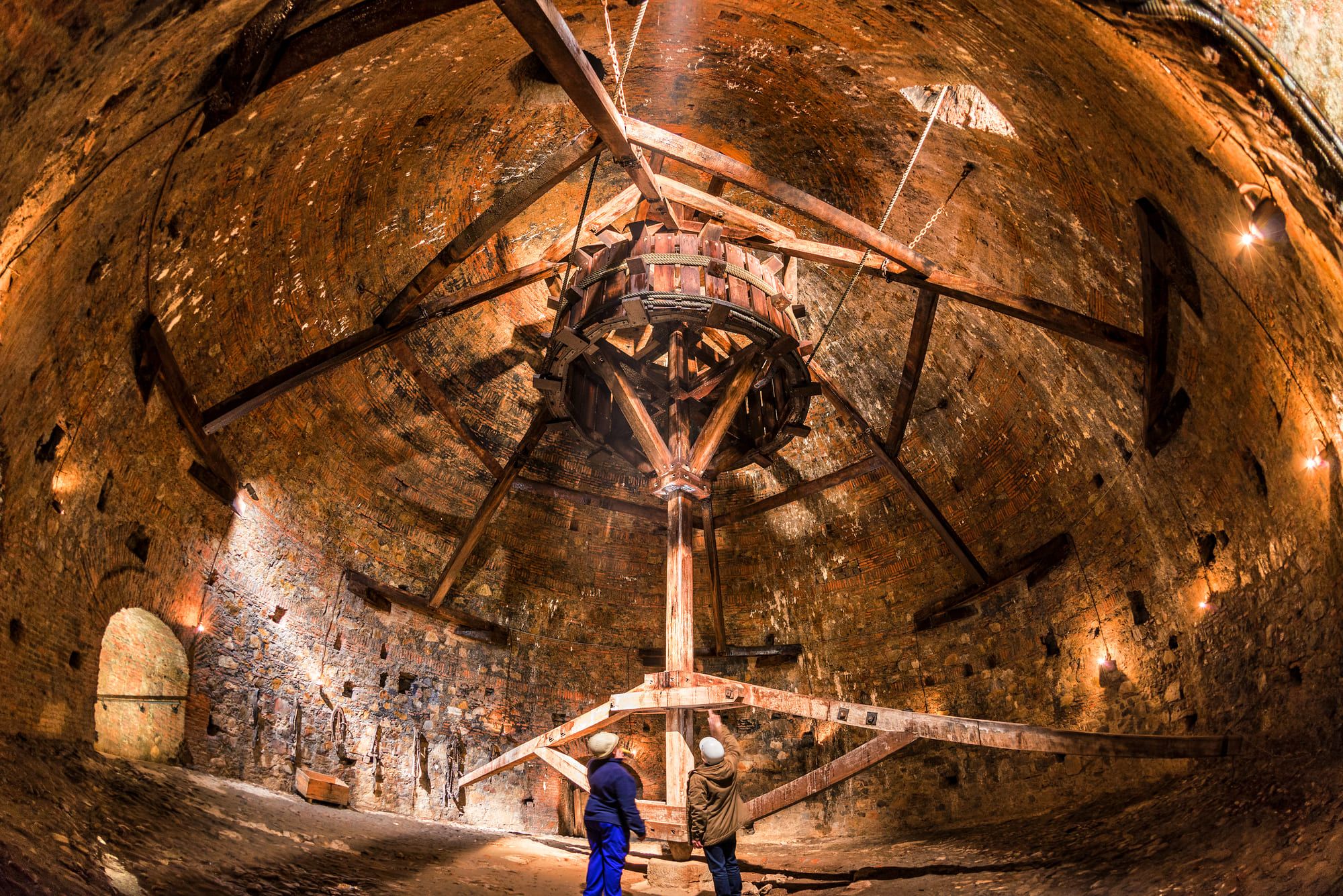
Almadén Mining Park (Ciudad Real)
Rock art of the Mediterranean Arc
The artistic expressions of the rock art of the Mediterranean Arc of the Iberian Peninsula in Castilla-La Mancha are exceptional. They depict images of everyday life (hunting scenes, fighting, dances, animal figures) from the Neolithic to the Bronze Age. These works are located in Fuencaliente, Nerpio, Ayna, Hellín, Alpera, Villar del Humo and Riba de Saelices.
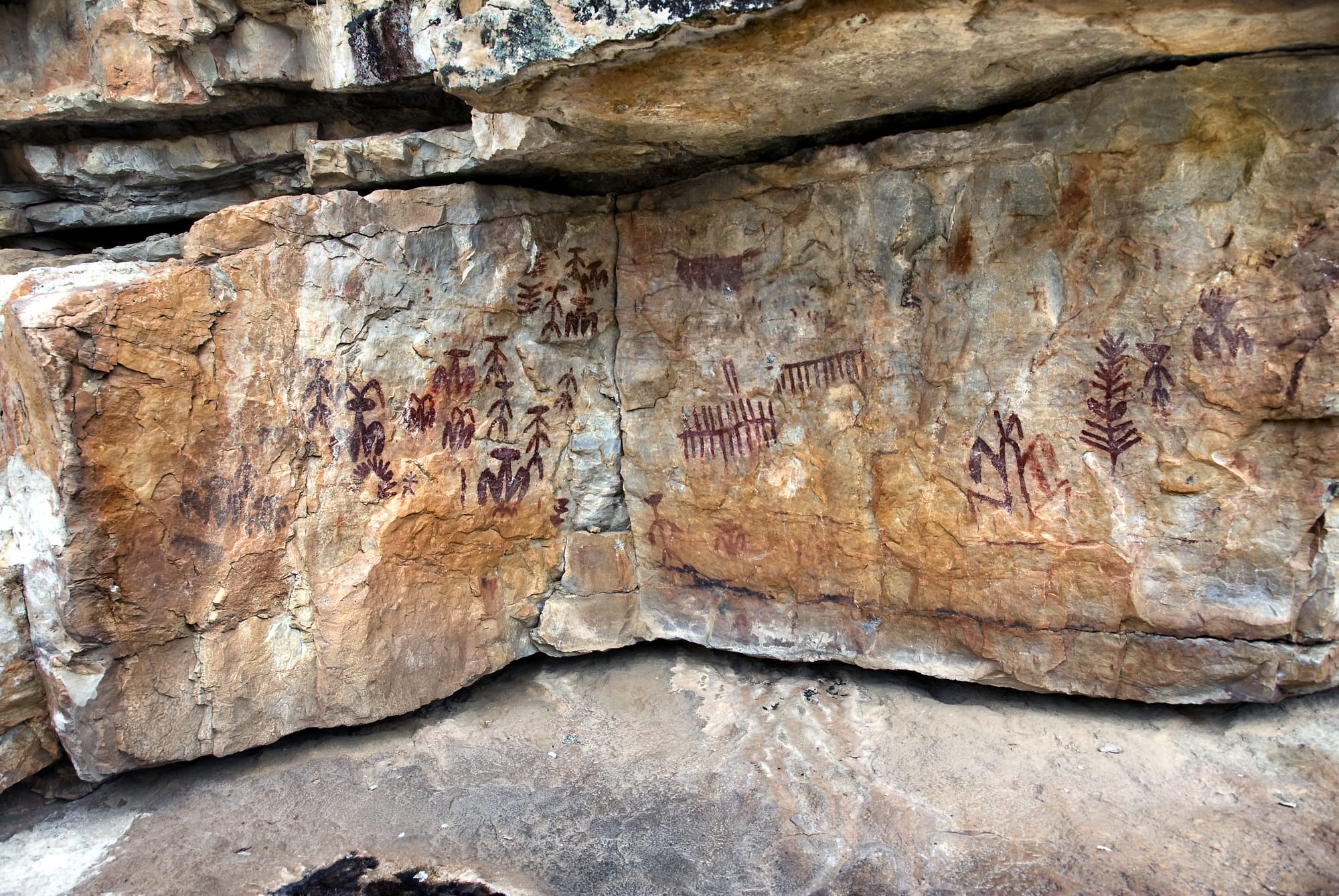
Cave paintings in Fuencaliente (Ciudad Real)
Other charming villages in Castile-La Mancha
Alcaraz, a small town where the Renaissance architecture is reminiscent of that found in the nearby Andalusian cities of Úbeda and Baeza, which are UNESCO World Heritage Sites.
Alcalá del Júcar, its panoramic view dazzles with the castle crowning a hillside where the whitewashed houses of the town are nestled.
Almagro, a quintessential La Mancha town dotted with palatial mansions and whose theatre, dating back to the Golden Age, is the heart of the Almagro International Classical Theatre Festival. Every July, the theatre hosts performances of classical plays (the 17th century is considered the Golden Age of Spanish literature) produced by companies from around the world.
Alarcón, with its unforgettable scenery, has a Parador in its castle and streets resplendent with monumental architecture.
Belmonte, crowned by an imposing castle that has been exquisitely restored and enhanced for tourism. This La Mancha village also features a collegiate church and a palace that has now been converted into a hotel.
Consuegra, its Calderico hill, with 13 windmills, and its castle where the son of El Cid passed away in 1192, is a must-see destination. Visitors can learn how these “mills” that turn cereal into flour worked, and still operate today.
Molina de Aragón, a town watched over by a mighty fortification with walls extending over a hillside, and a multitude of palatial and convent houses and buildings.
Sigüenza, a town with a distinct medieval flavour, whose historic centre, dominated by its fortress-like cathedral, still preserves the layout of its narrow, winding streets. Europe’s most southerly Romanesque churches and hermitages can be found in the region.
parks and archaeological sites
Castilla-La Mancha’s parks and archaeological sites are silent witnesses of the peoples and civilisations that once inhabited these lands.
Carranque in Toledo and Noheda in Villar de Domingo García are home to two spectacular Roman villas from the late Roman Empire.
Segóbriga in Cuenca is a Roman city that surprises with its theatre and amphitheatre.
Alarcos in Ciudad Real features an impressive medieval fortress and battlefield.
Cerro de las Cabezas in Valdepeñas, Libisosa in Lezuza and Tolmo de Minateda in Hellín are three settlements of different peoples over the centuries. Today they feature the remains of each period: prehistoric peoples, Romans, Visigoths, etc.
Recópolis (Zorita de los Canes) is the only Visigoth-founded city in Spain, and La Motilla del Azuer, in Daimiel, is the oldest fortified prehistoric well in the country.
Biodiversity and landscape contrasts
Castilla-La Mancha is a land brimming with biodiversity and richly contrasting landscape. Immense natural spaces where the practice of active tourism and ecotourism is a wonderful option to enjoy a trip in contact with nature and the great outdoors.
Along with the iconic La Mancha plains of infinite horizons, more than 40% of its territory is mountainous; and 23% of the region’s space is occupied by 110 protected natural areas.
2 national parks:
Cabañeros National Park (Toledo and Ciudad Real), a pristine example of a Mediterranean forest reserve known as the “Spanish Serengeti”, where visitors can sight deer, roe deer, wild boar, lynx, imperial eagles, vultures, etc., a paradise to enjoy the rutting season in late summer every year. Ideal for hiking, trekking, 4×4 routes and wildlife watching.
Las Tablas de Daimiel National Park (Ciudad Real) is a bird watchers paradise and a mecca for lovers of flora and fauna observation. This park is the finest example of the La Mancha wetlands (river tables), declared a Biosphere Reserve.
There are also 7 natural parks:
Lagunas de Ruidera Natural Park, the Alto Tajo Natural Park, the Sierra Norte de Guadalajara Natural Park, home to the southernmost beech forest in Europe, the Tejera Negra Beech Forest (declared a UNESCO World Heritage Site in the nature category), the Barranco del Río Dulce Natural Park, the Serranía de Cuenca Natural Park, the Alcudia Valley and Sierra Madrona Natural Park and the Calares del Río Mundo and de la Sima Natural Park.
In Castilla-La Mancha, there are two places of special geological value: the Alto Tajo Geopark and the Calatrava Volcanoes Geopark, with the only (inactive) volcano that can be visited on the Iberian Peninsula.
The Hoces del Cabriel and the Wetlands of La Mancha are the two natural areas declared Biosphere Reserves by UNESCO in Castilla-La Mancha.
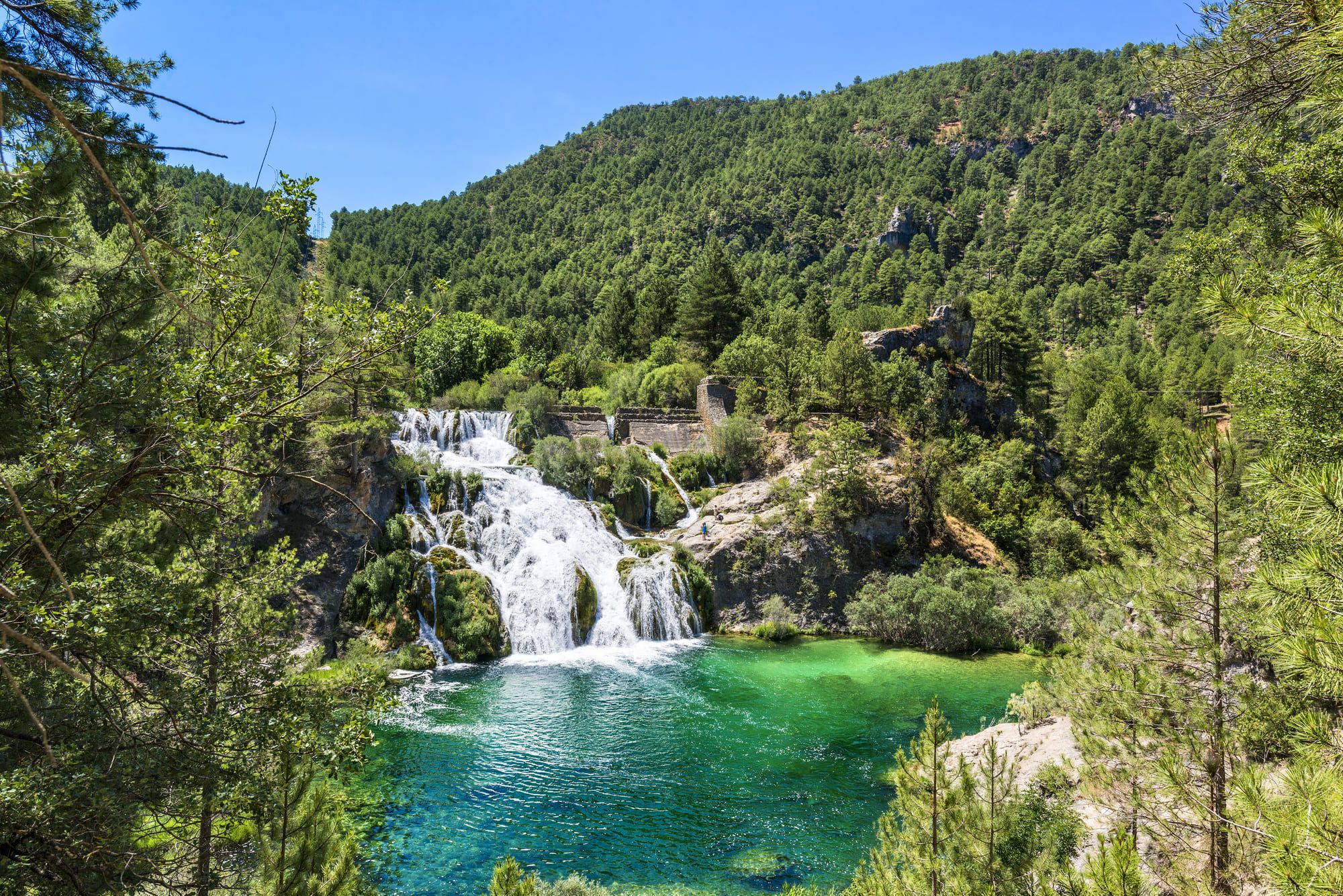
Poveda waterfall, Travilla (Guadalajara)
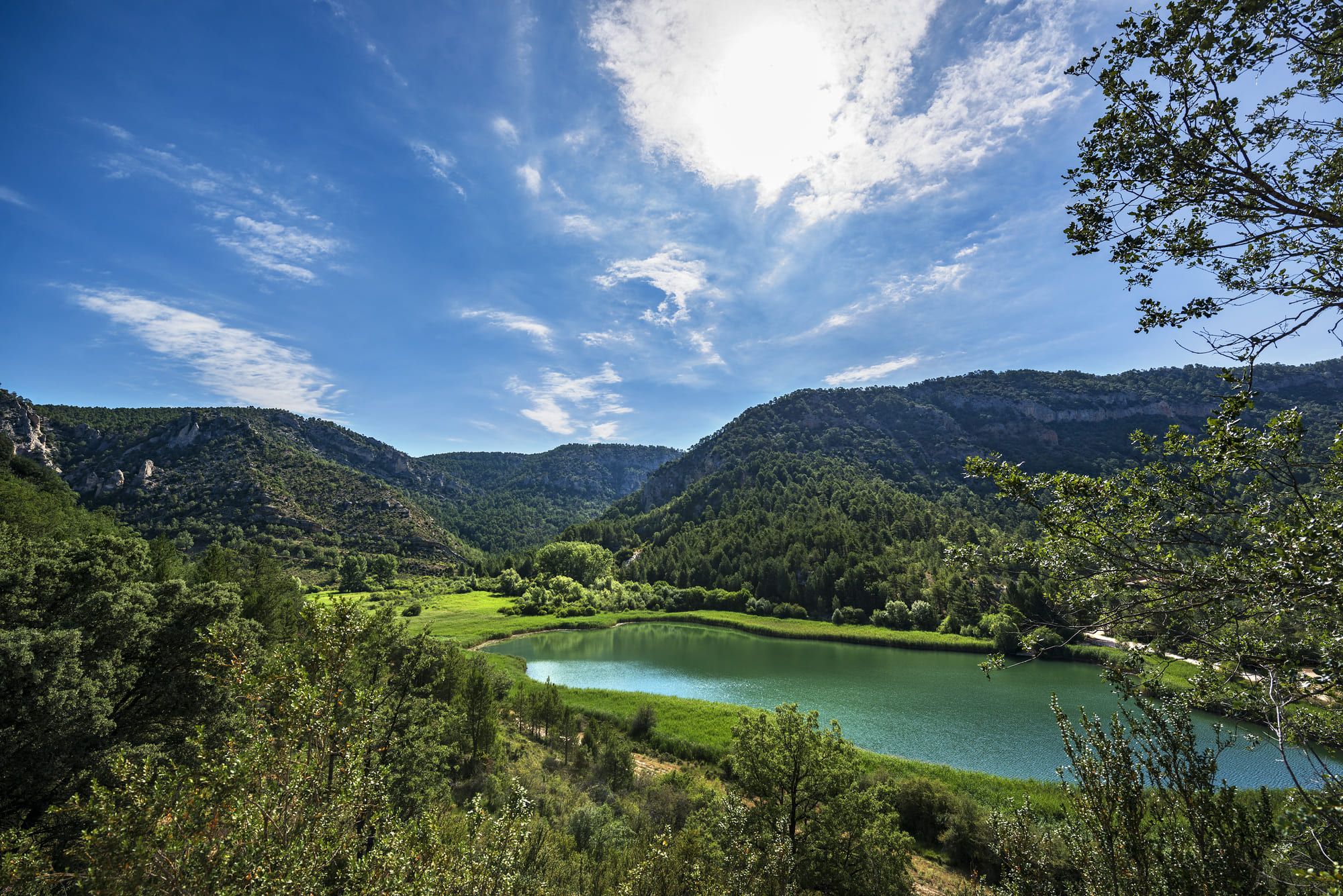
Travilla Lagoon (Guadalajara)
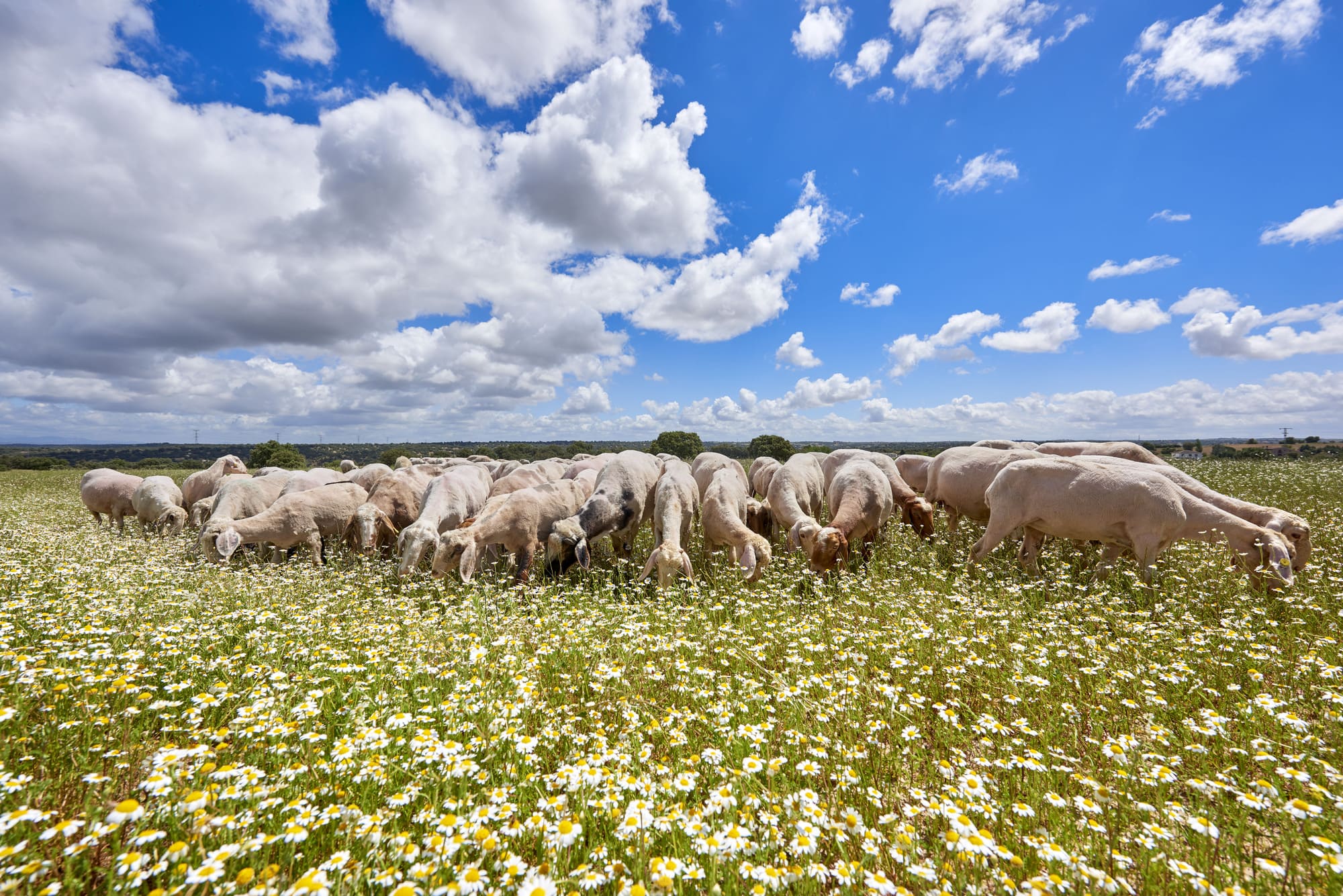
Landscape of Castilla-La Mancha
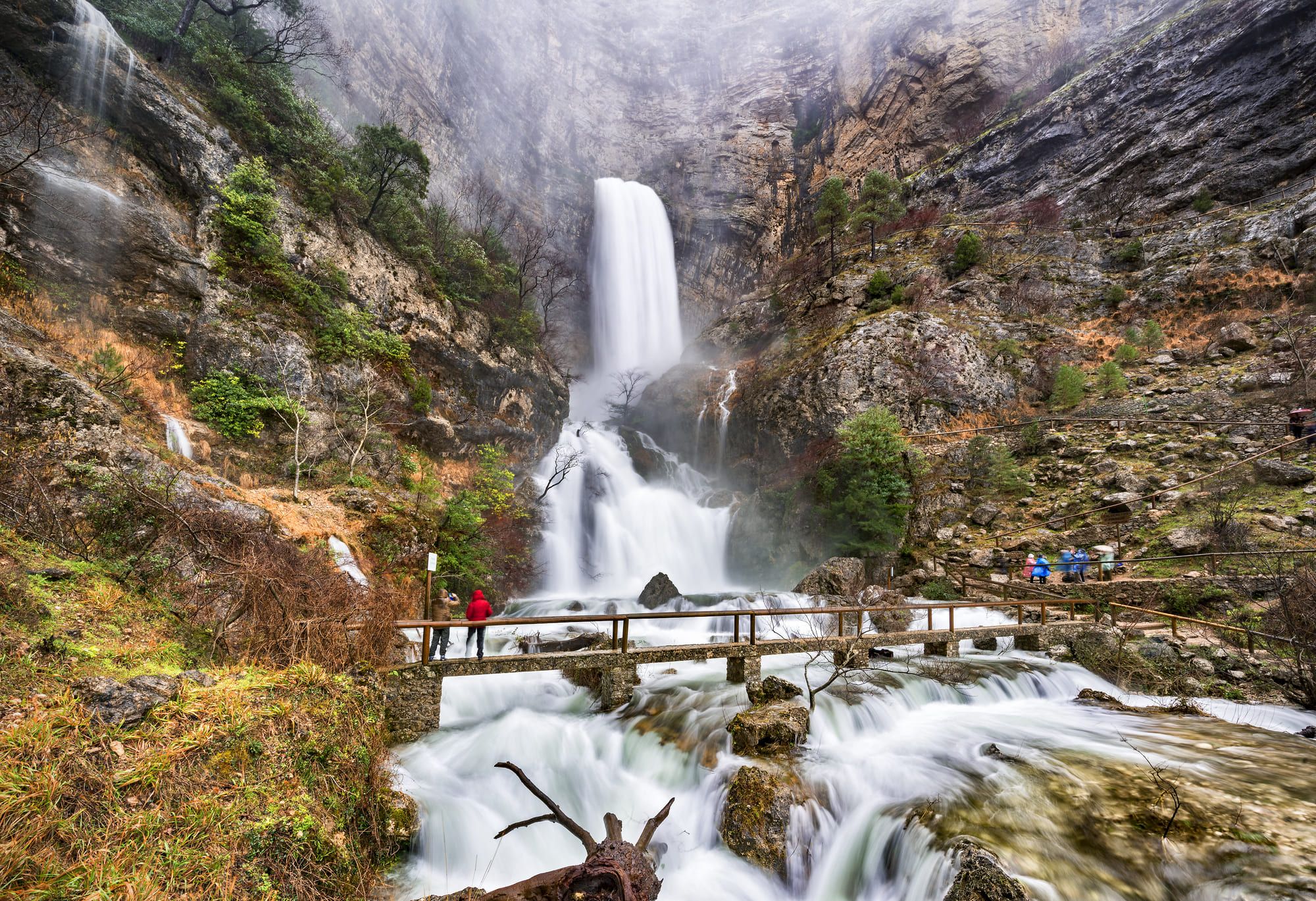
Source of the Mundo river (Albacete)

Lavender fields in Brihuega (Guadalajara)
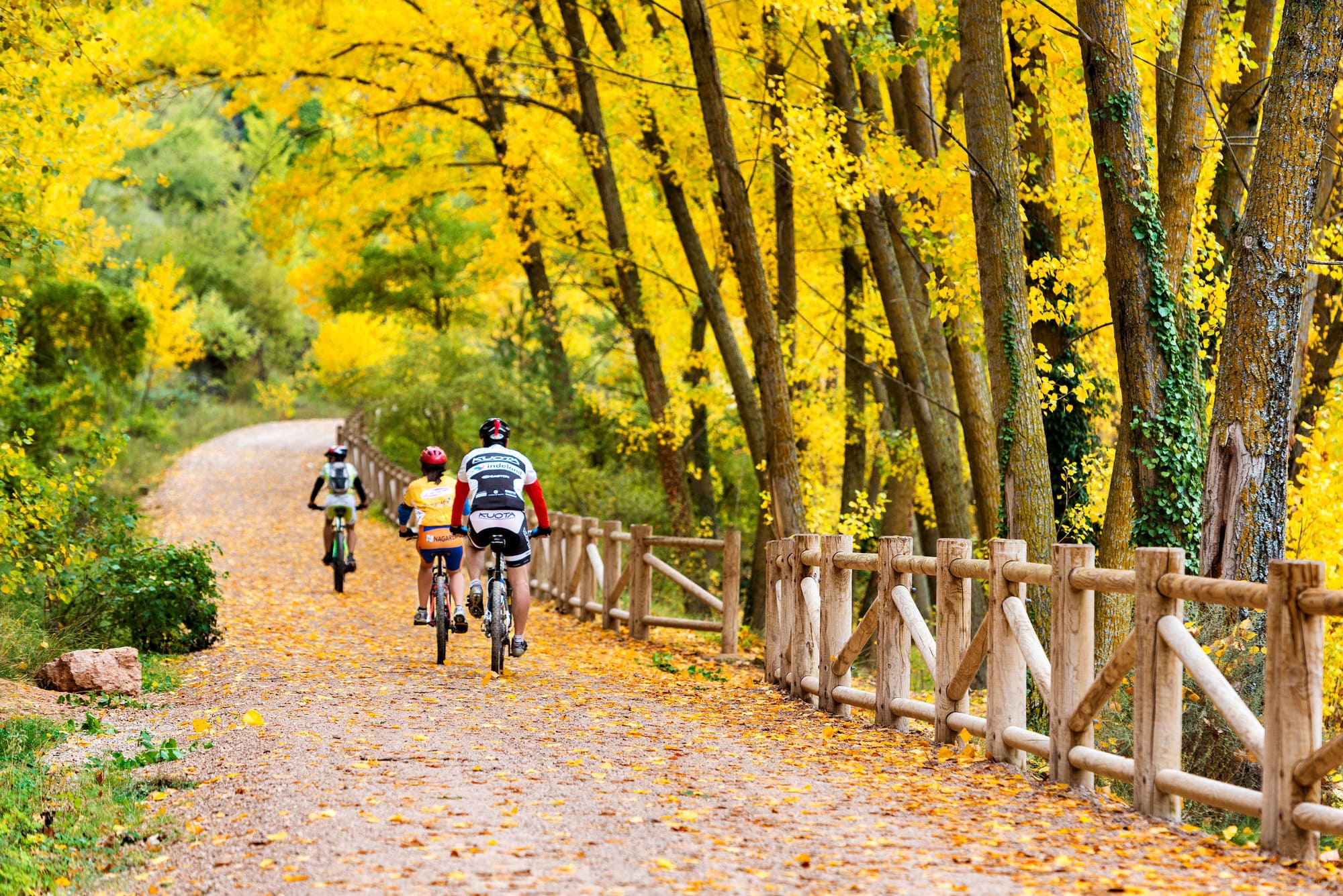
Serranía de Cuenca Natural Park (Cuenca)
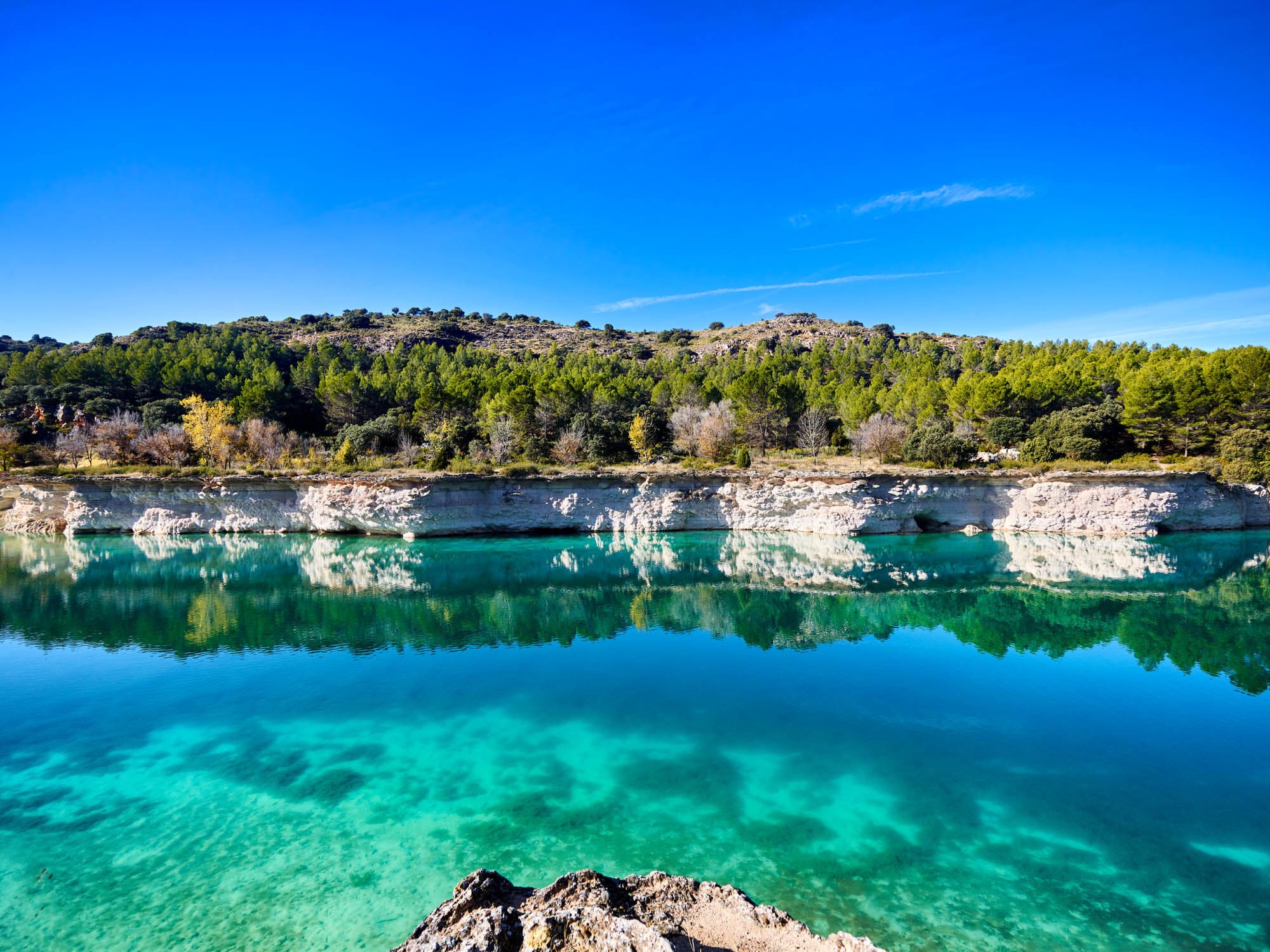
Lagunas de Ruidera (Ciudad Real and Albacete)
Castilla-La Mancha: Land of Don Quixote, Exquisite Wines and Unforgettable Landscapes: Discover it!